


Expert Guidance Delivered Monthly
- Tips on maintaining masonry and concrete structures.
- Insights into historic preservation techniques.
- Updates on industry best practices and innovations.
- Case studies from successful restoration projects.
Recent Brick & Banters
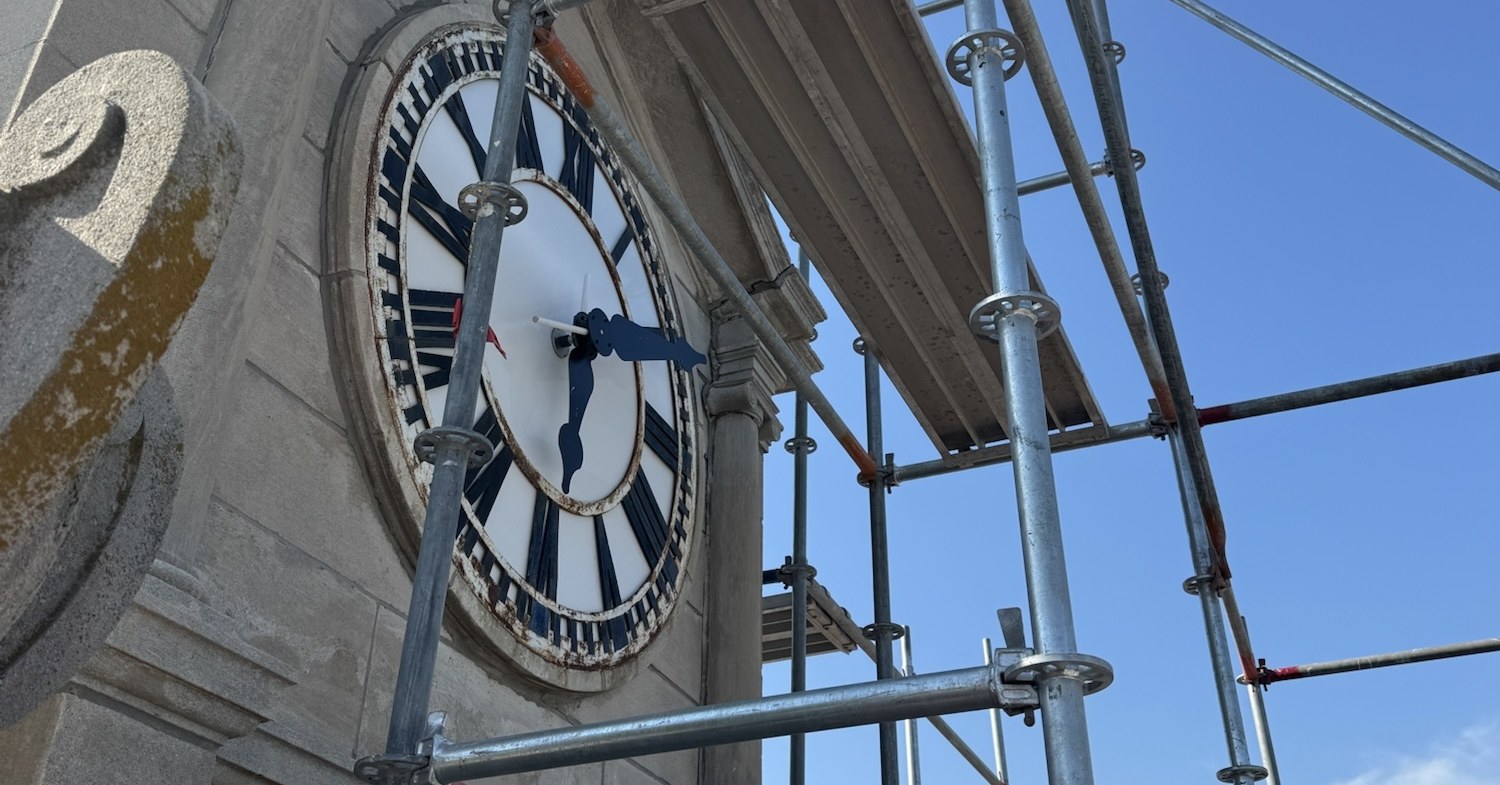
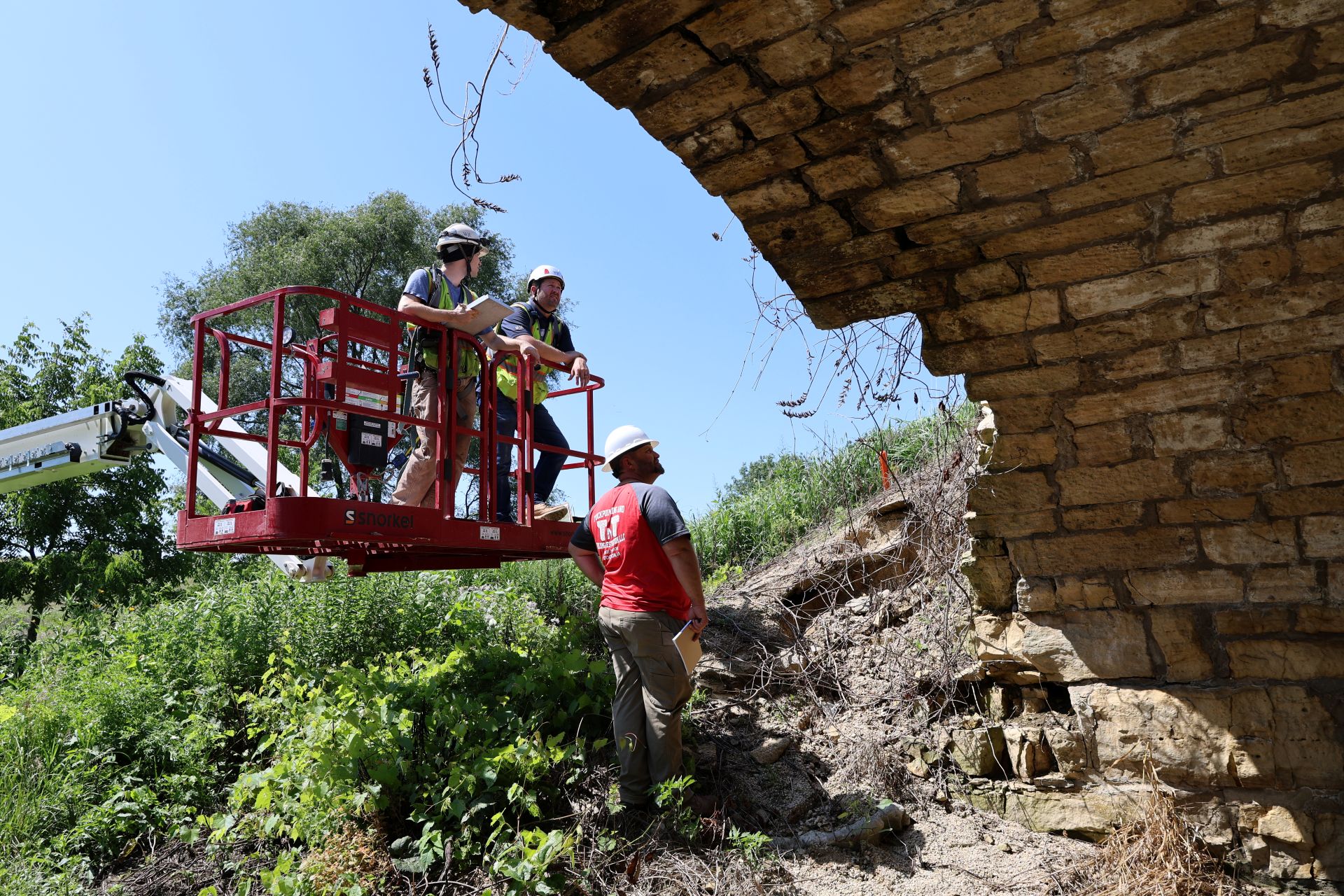
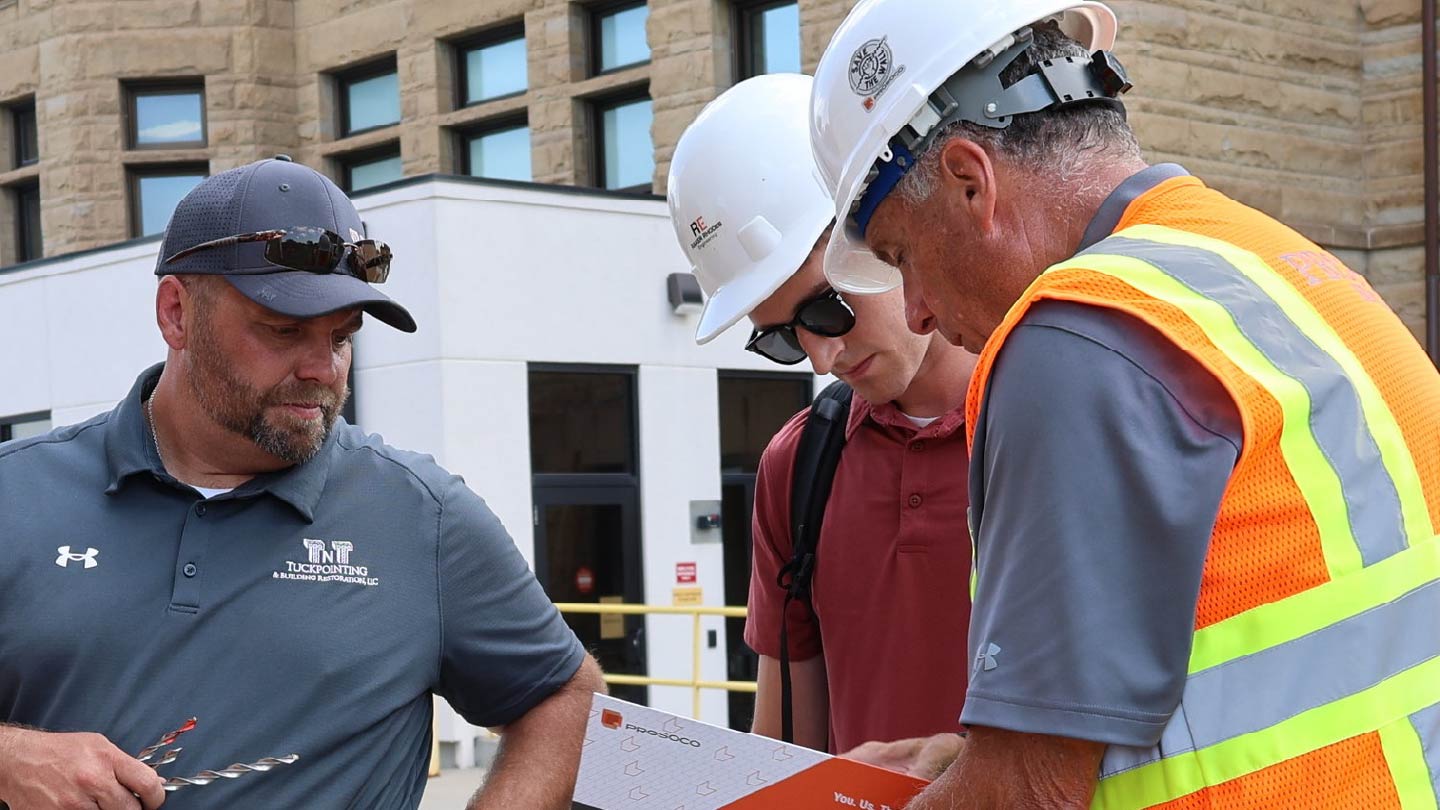

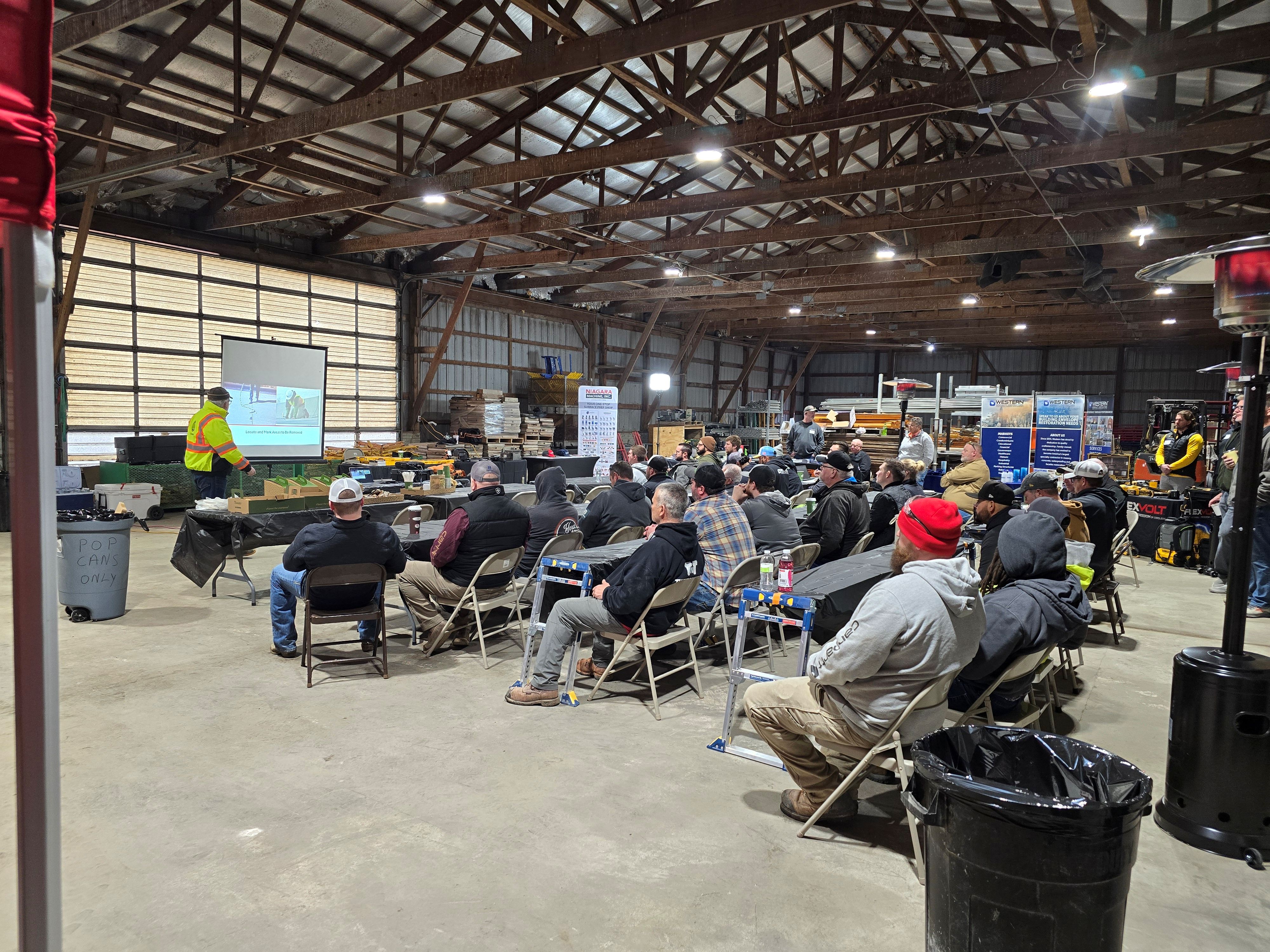


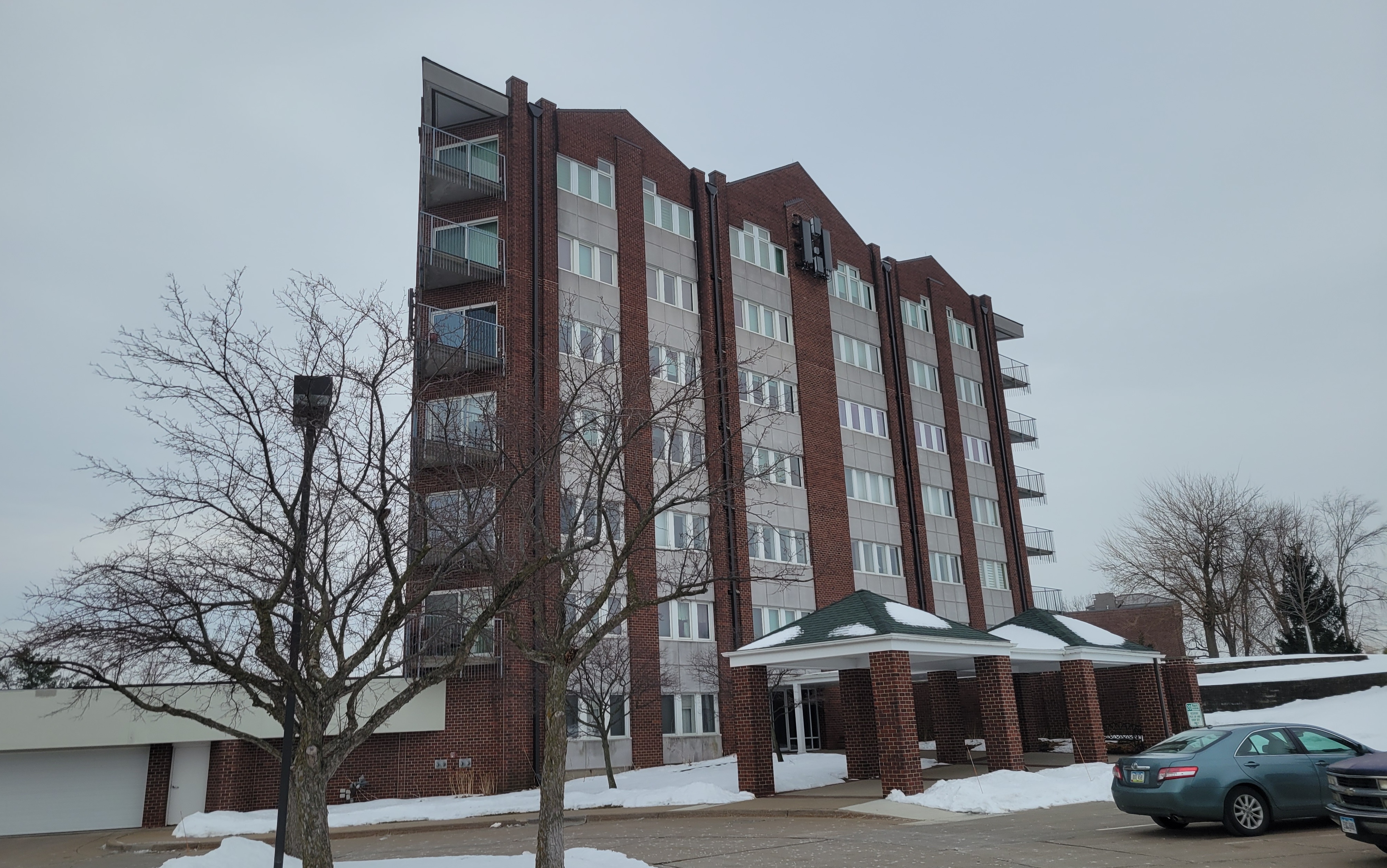

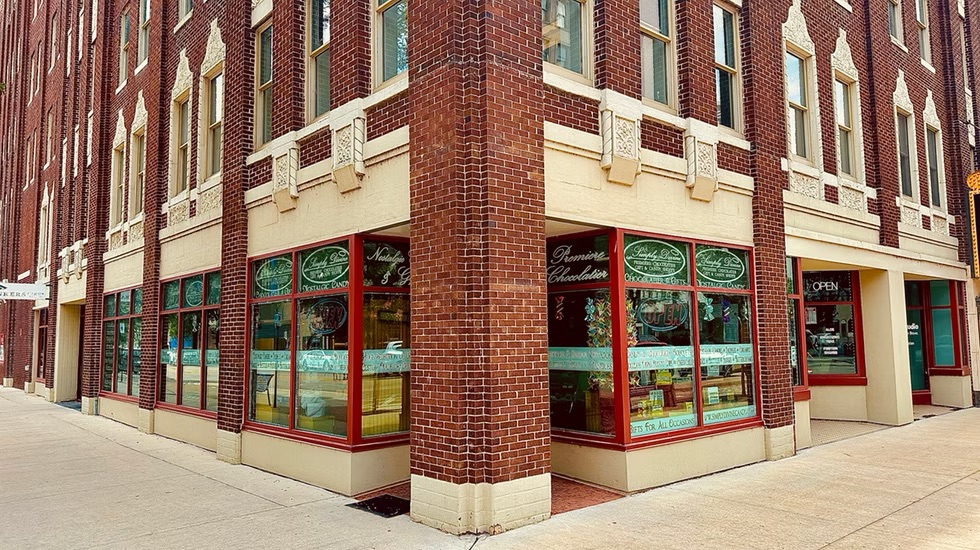
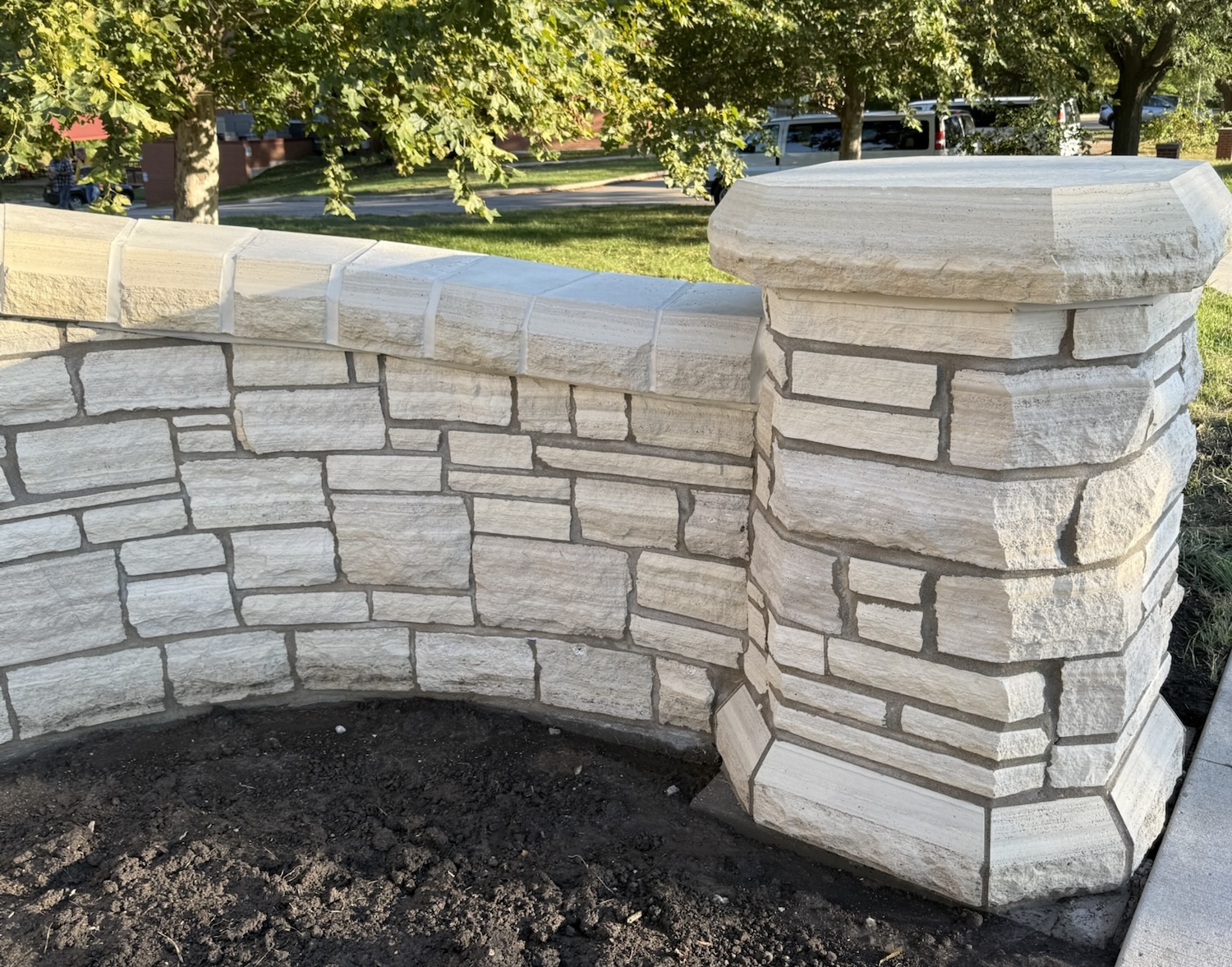

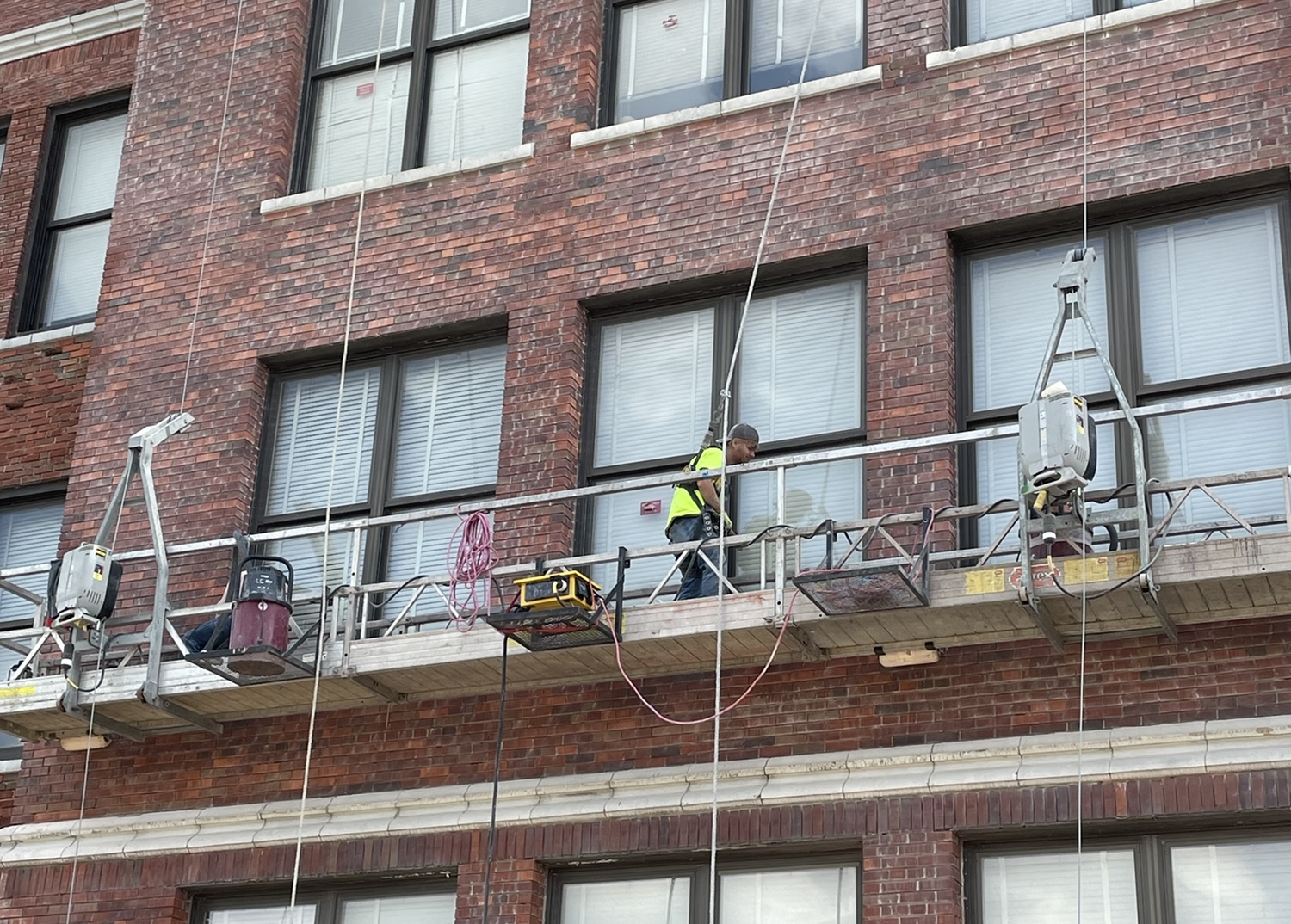
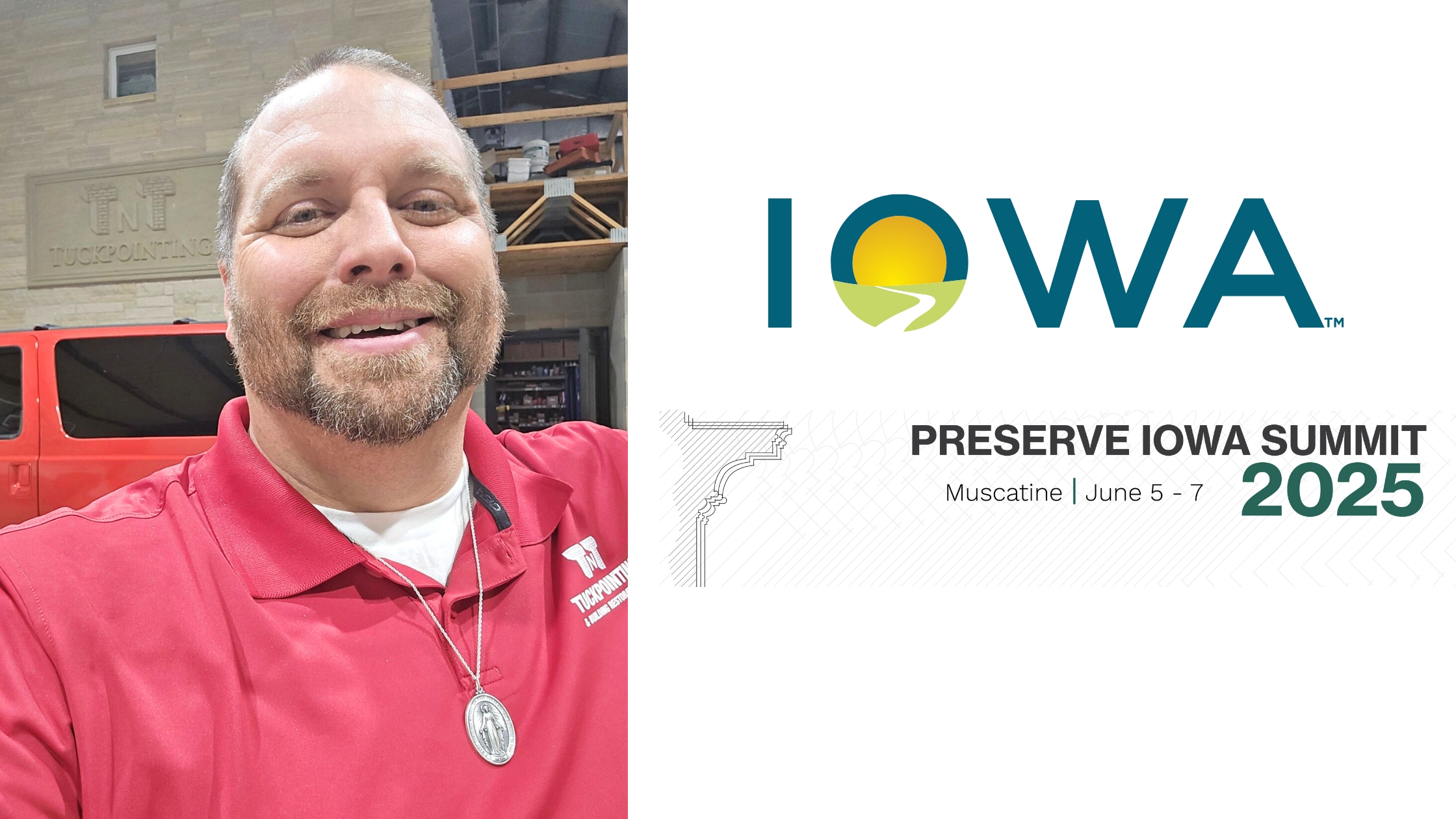
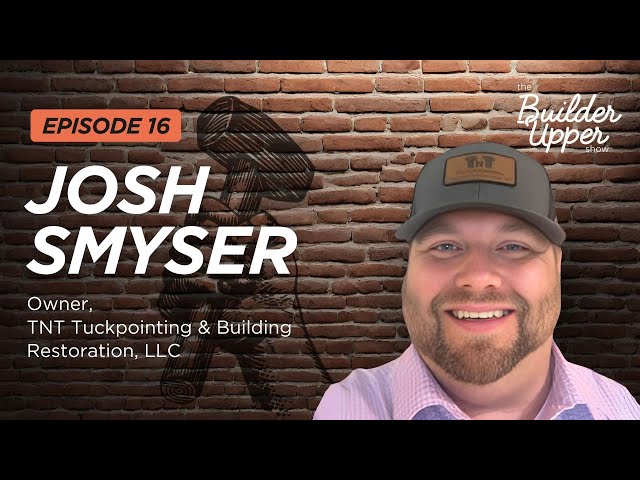
.png)
Topics Tailored to Your Needs
What Brick & Banter covers.
Historic Preservation
Masonry & Concrete Restoration
Building Maintenance
Masonry Staining
Investigation & Budgeting
Preserve the Past. Protect the Present. Plan for the Future.
Subscribe to Brick and Banter—your monthly digest of expert advice, historical insights, and the latest in building restoration.

Don't miss out on valuable insights that can help you maintain and enhance your property's masonry.
5.0 Stars on Google
Rated by the building owners and facility managers we serve.
_Insta%20White.png)
_Facebook%20White.png)
_YT%20White.png)
_Linkedin%20White.png)
FAQs
How can I subscribe to Brick & Banter?
You can subscribe to the monthly email newsletter through our website or follow the Brick & Banter LinkedIn newsletter for the same content on that platform. Both deliver new articles as soon as they are published.
Does TNT publish case studies and project walkthroughs?
Yes. Brick & Banter regularly features detailed project walkthroughs with photography, and many clients have dedicated portfolio pages on our website. These cover churches, courthouses, schools, and commercial properties across our four-state service area.
What should I look for when hiring a commercial masonry contractor?
Look for a contractor that self-performs all masonry restoration work with its own crews, carries a meaningful track record on commercial and historic buildings, provides a written warranty, and can show documented project results. We have over 30 years of experience, a 20+ person team, and self-perform every project.
How does freeze-thaw cycling damage commercial masonry?
Water enters mortar joints and porous masonry, then expands as it freezes, cracking joints and spalling brick or stone faces. Repeated cycles progressively worsen the damage, making early repair far less costly than deferring maintenance.
What is the best time of year for masonry work in the Midwest?
Our primary season runs from mid-February through the end of November, when temperatures support proper mortar curing. Some off-season work is possible depending on conditions, so it is worth reaching out early to discuss scheduling and phasing.
Are there grants available for historic masonry restoration in Iowa?
Grant and tax credit programs for historic restoration do exist at both the state and federal level, and eligibility varies by property type, location, and historic designation. We have extensive experience with historic projects and can help owners understand what their building may qualify for.
How often should commercial masonry be maintained?
Most commercial masonry buildings benefit from a professional inspection every three to five years, with maintenance performed as conditions warrant. Buildings exposed to heavy freeze-thaw cycling or moisture may need more frequent attention.
What are the signs your commercial building needs masonry work?
The most common signs are cracked or missing mortar joints, spalling brick or stone faces, efflorescence (white salt deposits), water leaks through exterior walls, and bowing or bulging wall sections. Any of these warrant a professional assessment before the damage compounds.
How often is Brick & Banter updated?
New articles are published regularly, and a monthly email newsletter delivers the latest posts directly to subscribers. Brick & Banter is also published as a LinkedIn newsletter for professionals who prefer that platform.
What topics does Brick & Banter cover?
Brick & Banter covers commercial masonry restoration, tuckpointing techniques, historic preservation, building maintenance strategies, and industry trends across Iowa, Wisconsin, Minnesota, and Illinois. Topics range from technical how-tos to project walkthroughs on churches, courthouses, schools, and commercial properties.
What is the difference between tuckpointing, repointing, and pointing?
In the commercial restoration industry, these terms are often used interchangeably to describe the same process: cutting out failed mortar and installing new mortar in masonry joints. Technically, pointing refers to finishing the exposed face of a mortar joint, repointing means replacing the mortar, and tuckpointing originally described a specific two-color decorative technique — but in common usage across the Midwest, all three describe mortar joint replacement.
What is tuckpointing and when does a commercial building need it?
Tuckpointing is the process of removing deteriorated mortar from masonry joints and replacing it with new mortar to restore the wall's weathertight integrity and structural performance. Commercial buildings typically need tuckpointing when mortar joints show cracking, recessing, or crumbling, or when water infiltration becomes evident. That usually happens after 25 to 50 years of weather exposure, though Midwest freeze-thaw cycles can accelerate deterioration.