


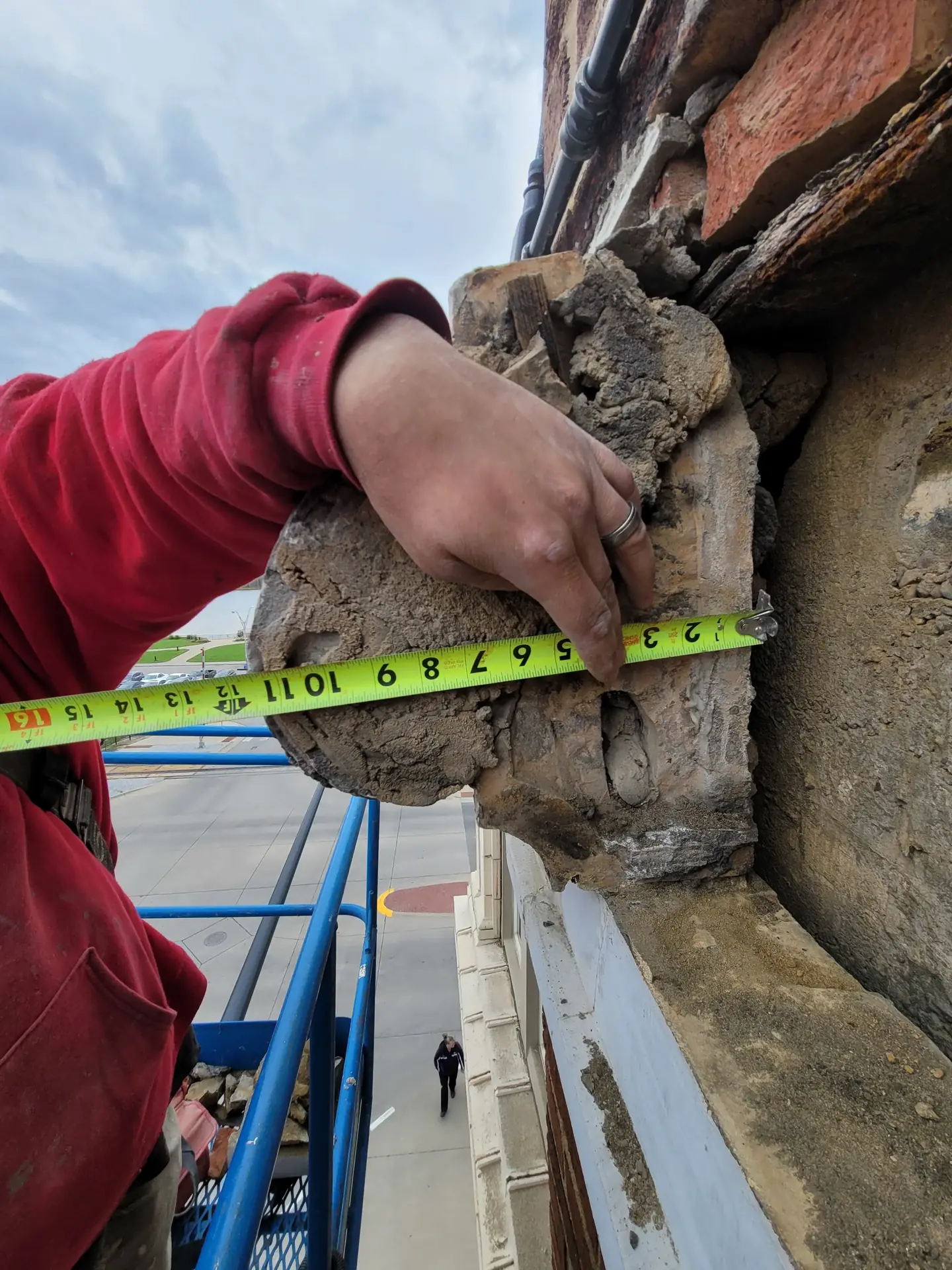
Facade Inspections That Lead to the Right Repair
Uncover hidden structural defects, water entry paths, and material failures with comprehensive physical, visual, and thermal masonry assessments.
- Non-destructive testing and infrared scanning capabilities.
- Detailed condition reports paired with actionable repair pathways.
- Identifies small, brewing issues before they escalate into catastrophic expenses.
Why a Masonry Investigation Saves Money
Masonry deterioration compounds: a problem that costs a modest sum to correct early can multiply into structural repairs once water reaches embedded steel or freeze-thaw cycles take hold. Investigating early catches problems while they are small, isolated, and inexpensive, and replaces guesswork with a defensible plan.
- Early detection of issues
- Informed decision-making
- Accurate repair plans and budgets
- Preservation of historical structures
- Enhanced safety
- Root-cause certainty, so you don't pay for the same repair twice.
- Accurate, defensible budgets rather than guesses.
- Protection of embedded steel before corrosion spreads.
How TNT Conducts a Masonry Investigation
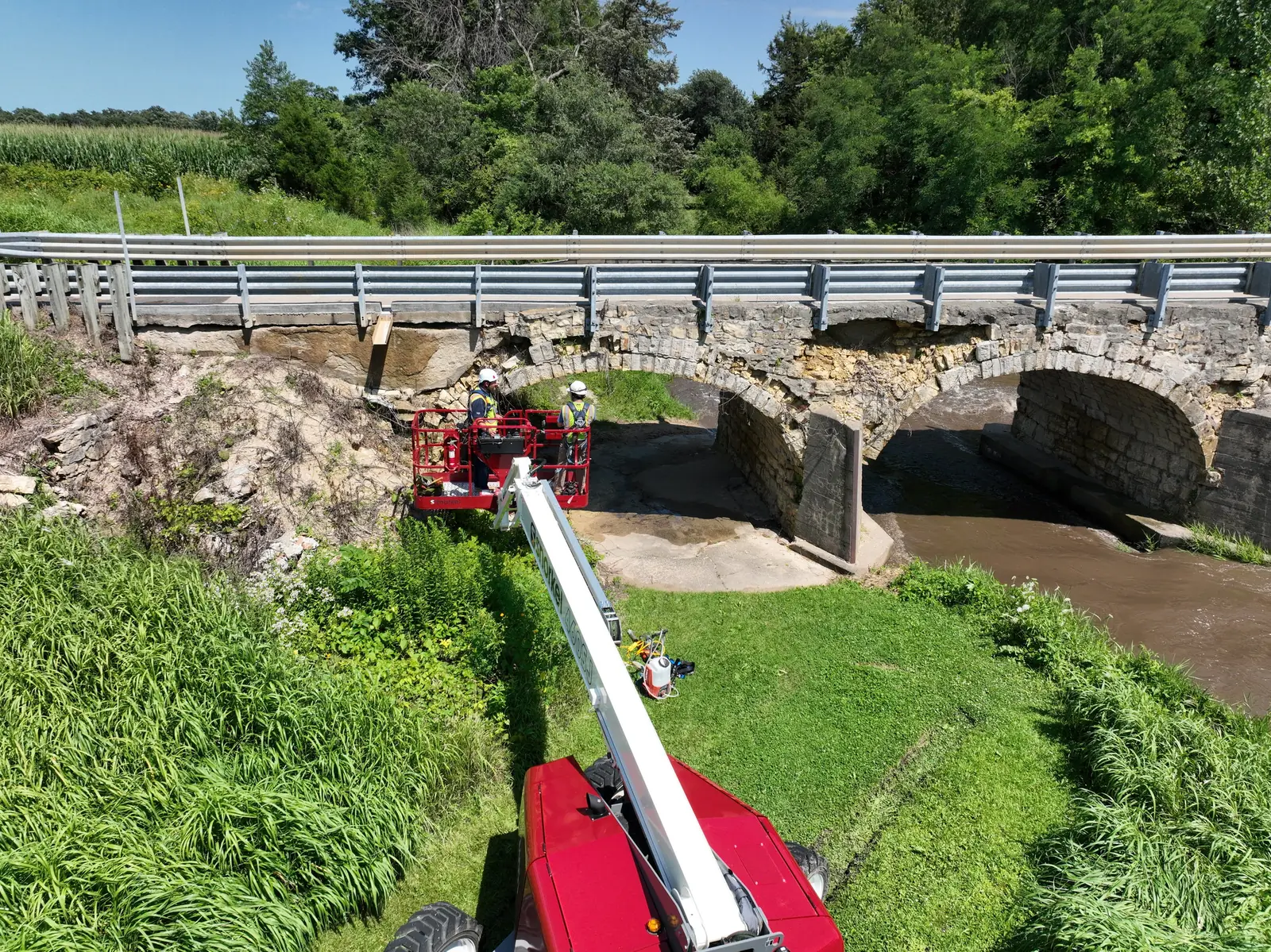
We perform a close-up, hands-on survey using swing stages or lifts, not binoculars from the sidewalk, documenting and mapping conditions, evaluating mortar, sealants, flashing, and embedded steel, and identifying where water is entering, then compile the findings into a written condition report with prioritized repair recommendations. Our owner serves as Vice President of the ICRI Iowa/Illinois Chapter and on the SWR Institute's Training and Validation Committee.
Signs Your Building Needs an Investigation
- Recurring water infiltration or interior staining
- Efflorescence (white salt deposits) on the masonry
- Spalling, with brick or stone faces flaking and breaking away
- Cracked, eroded, or open mortar joints
- Bulging, bowing, or displaced masonry
- Rust staining around lintels and shelf angles
- Planning a capital budget for masonry restoration
Our Projects Speak for Themselves
FAQs
What is a masonry investigation?
How long does a masonry investigation take?
How much does a masonry investigation cost?
What is the difference between a masonry investigation and a routine inspection?
When should a building owner or facility manager request a masonry investigation?
How often should commercial masonry be formally investigated?
What does a TNT masonry investigation include?
What tools and methods does TNT use during investigations?
Does TNT provide a written report after an investigation?
Can an investigation determine the source of water infiltration?
Are investigation results useful for insurance claims?
Can investigation findings support historic tax credit applications?
Contact Us
Our skilled team is here to bring your building to life. Contact us today to discuss your project!