


Preserving Structural Integrity with Precision Techniques
Masonry and concrete restoration involves using specialized techniques to repair and refurbish damaged structures, preserving their integrity through cleaning, patching, rebuilding, repointing, unit replacement, and protective coatings among others.
- Historic Preservation Expertise
- Professional Craftsmanship
- Outstanding Customer Service
Masonry & Concrete Restoration Services
Stone Rebuilding
When stone masonry has shifted, bulged, or deteriorated past the point of patching, it has to come apart and go back together correctly. TNT dismantles failing stonework and rebuilds it to its original line, plumb, and profile, using salvaged and color-matched units set in mortar compatible with the wall.

Brick Replacement
When brick faces spall, crack, or break away, replacing the failed units restores both the strength and the watertight envelope of the wall.
Crack / Epoxy Injection
Crack injection seals active leaks and structurally re-bonds cracked concrete and masonry from the inside, without large-scale demolition.
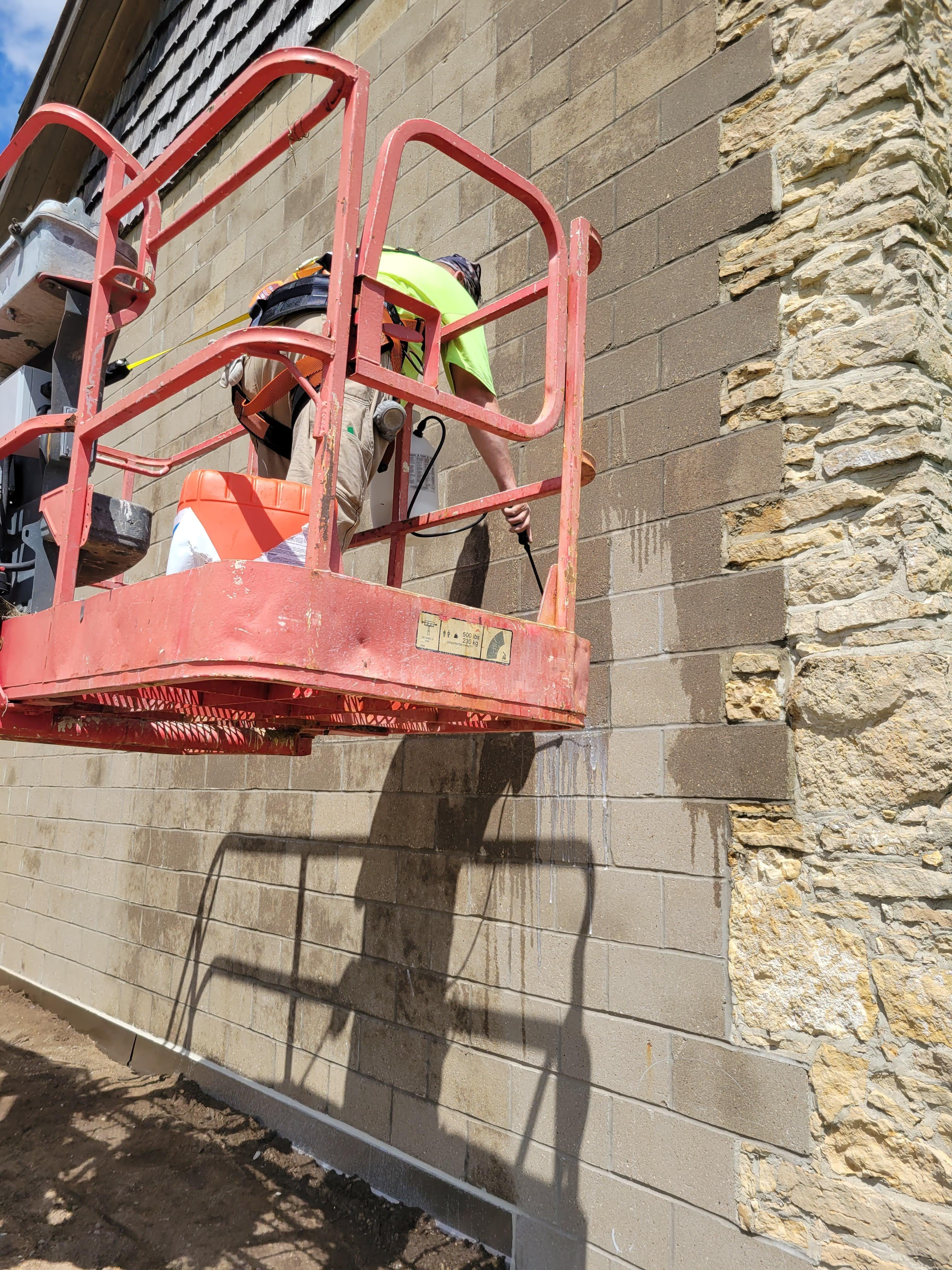
Water Repellant Application
A breathable penetrating water repellent reduces water absorption into masonry while still letting trapped moisture escape, protection without sealing water in.
Vertical & Overhead Concrete Repairs
Spalled and deteriorated concrete on walls, columns, and overhead surfaces is repaired with structural materials that bond, last, and protect the rebar.

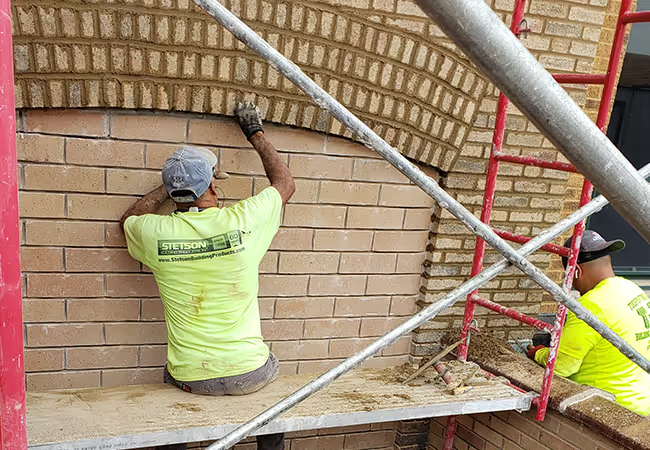
Tuckpointing
Tuckpointing renews the mortar joints that hold your masonry together and keep water out, restoring both strength and weather resistance before deterioration spreads.
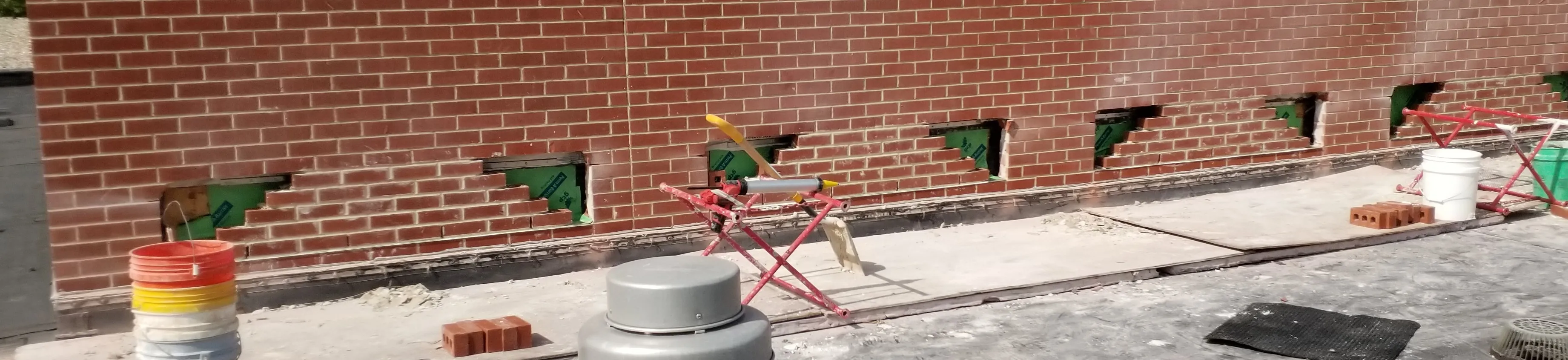
Thru-Wall Flashing
Through-wall flashing intercepts water that gets into the wall and sends it back out, stopping infiltration at its source rather than chasing leaks.
Terra Cotta Repair/Replacement
Architectural terra cotta defines many historic facades. We repair and replace deteriorated units while preserving the building's original detail.

Stone Patching/Replacement
From chipped edges to spalled faces, we repair and replace architectural stone with color-matched materials and craftsmanship that blends in.
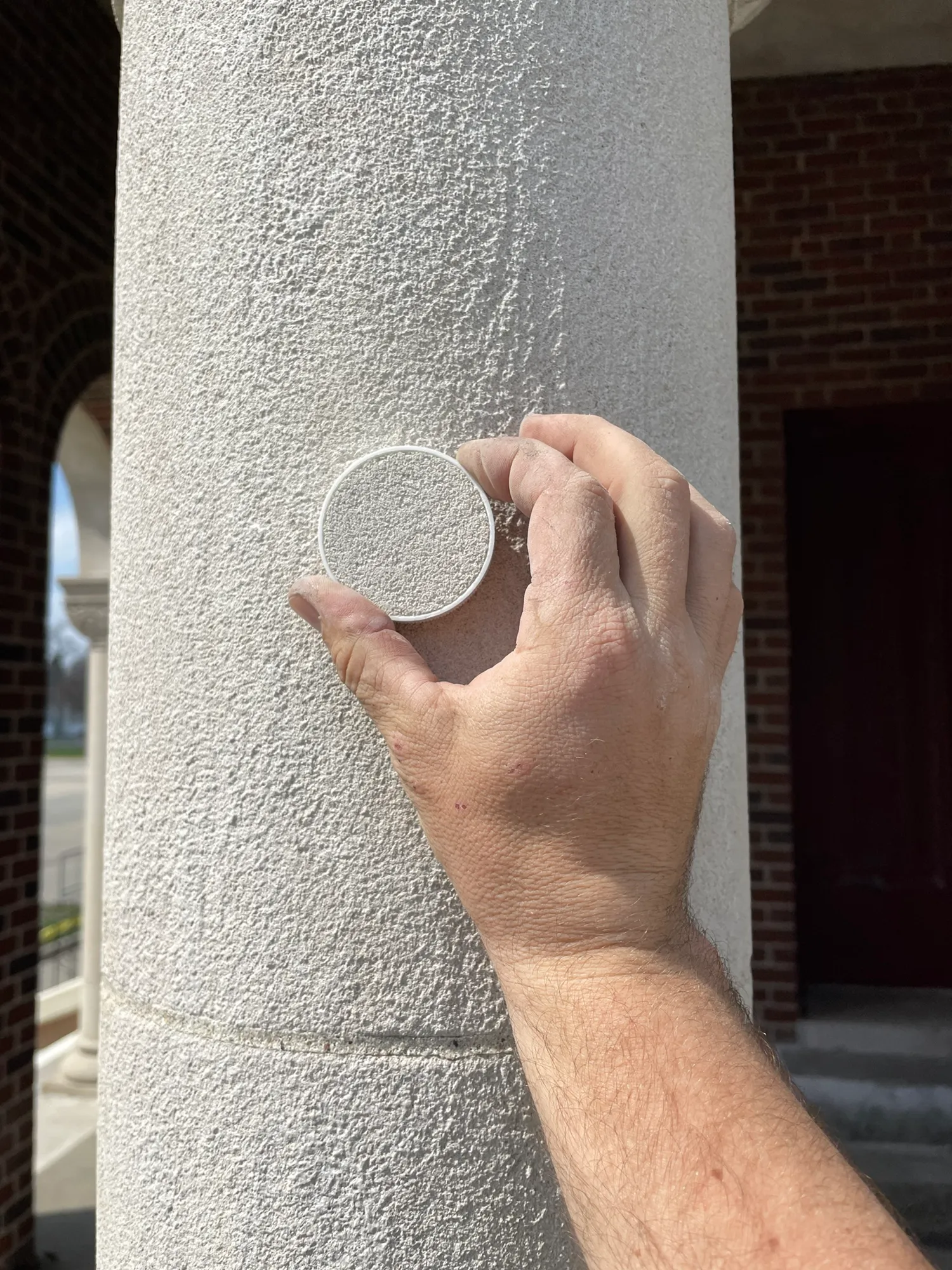
Stone Consolidation
Stone consolidation strengthens crumbling, friable stone in place, preserving irreplaceable original material rather than replacing it.
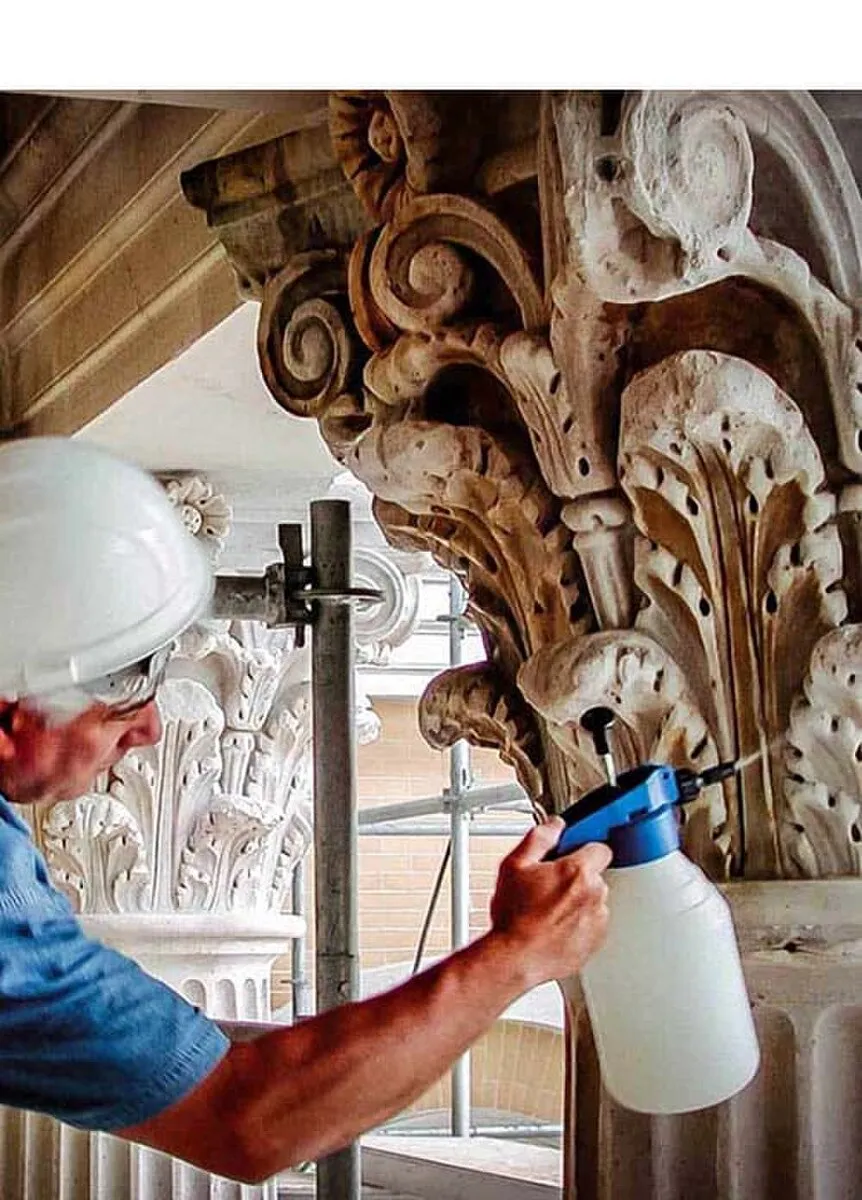
Project Scope & Budgeting Assistance
Define the right scope and budget before work begins. We help owners and managers plan masonry projects so there are no costly surprises mid-project.
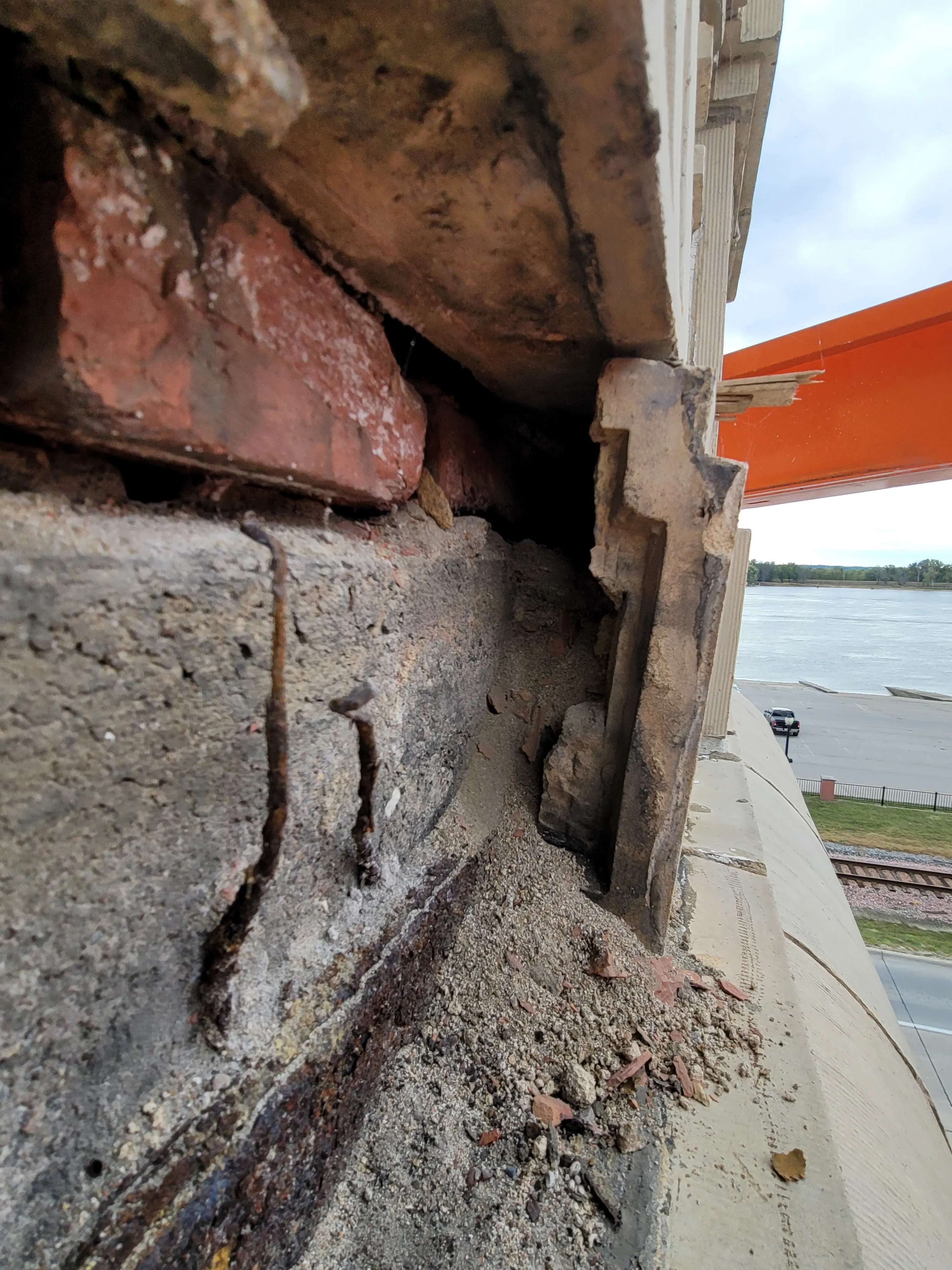
Pedestrian and Traffic Coating Systems
Traffic coating systems waterproof the surfaces people and vehicles travel on, protecting the structure beneath parking decks, plazas, and walkways.
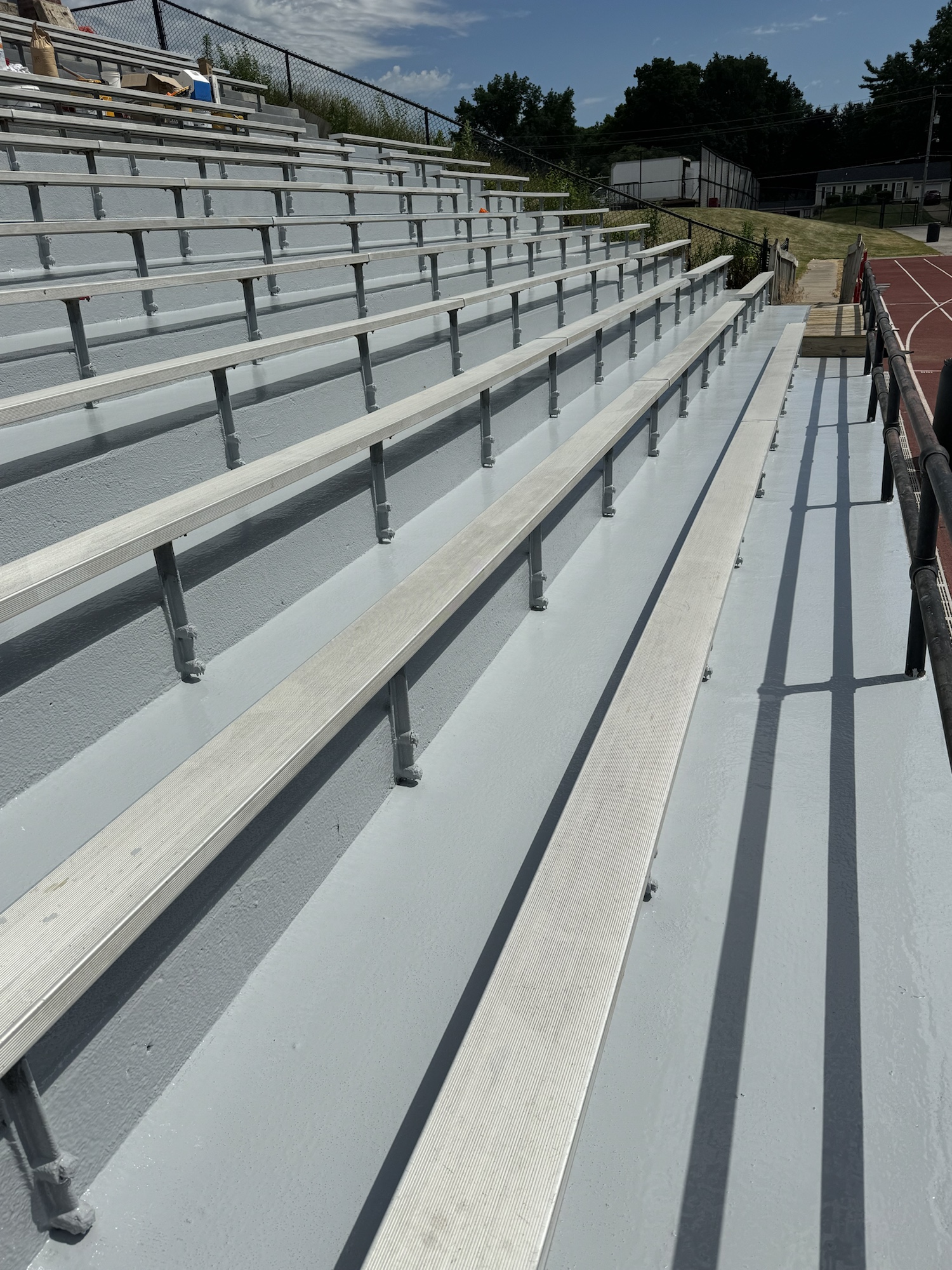
Parapet Rebuilding
Parapets are exposed to weather on multiple sides and deteriorate first. Rebuilding restores the roofline and stops water from entering the wall below.

Paint Stripping
Removing old paint from masonry restores the wall's ability to breathe and reveals the original brick or stone, done gently to protect the substrate.
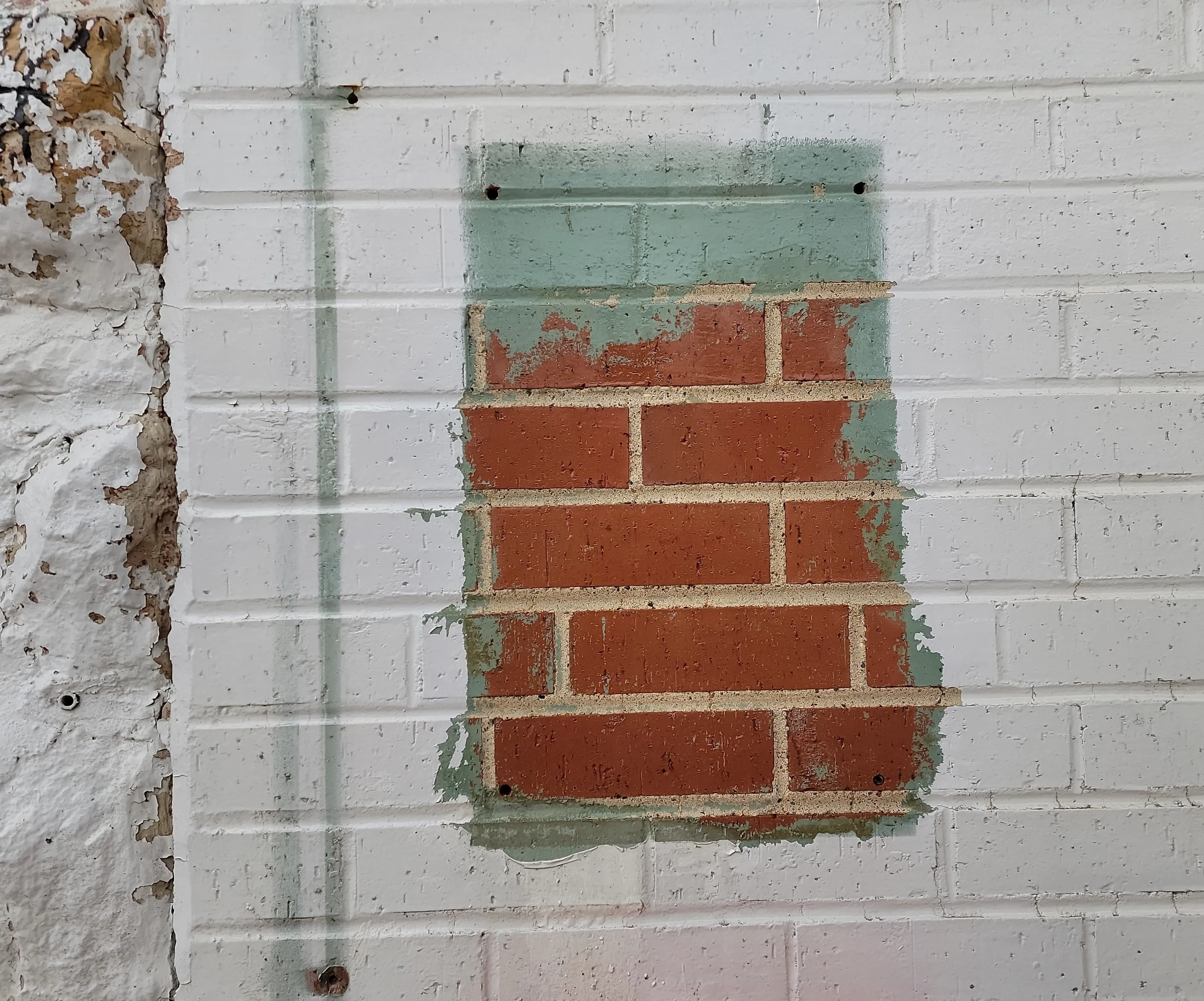
Masonry Staining
Masonry staining permanently corrects mismatched or unattractive brick and stone color, chemically bonding to the masonry while keeping it breathable.
Masonry Investigations
A masonry investigation gets trained hands and eyes directly on your building to find what's failing, prove why, and define exactly what it will take to fix it.
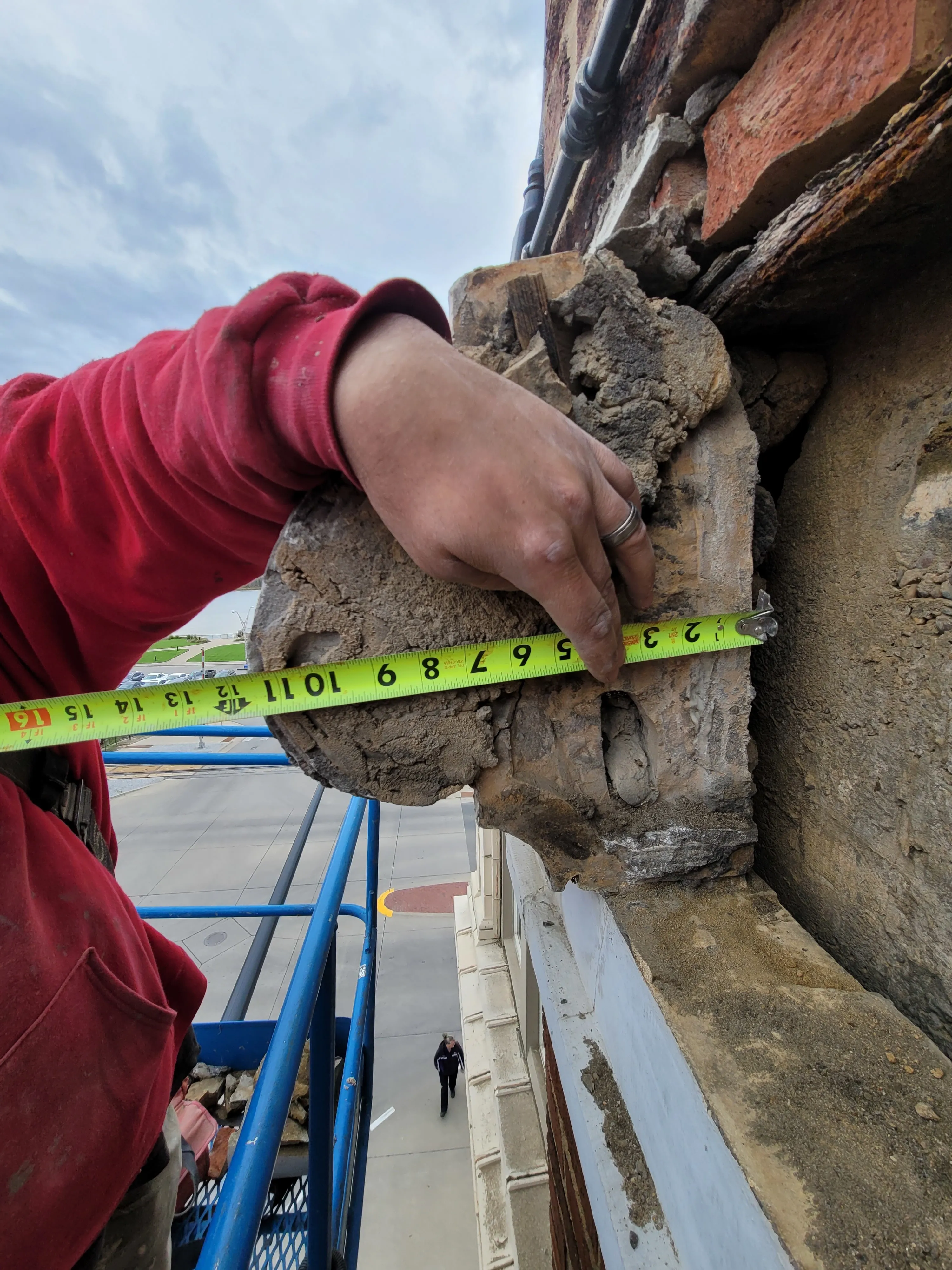
Lintel Repair/Replacement
Lintels carry the masonry above your windows and doors. When they corrode or sag, the openings crack, and the fix protects the wall above.
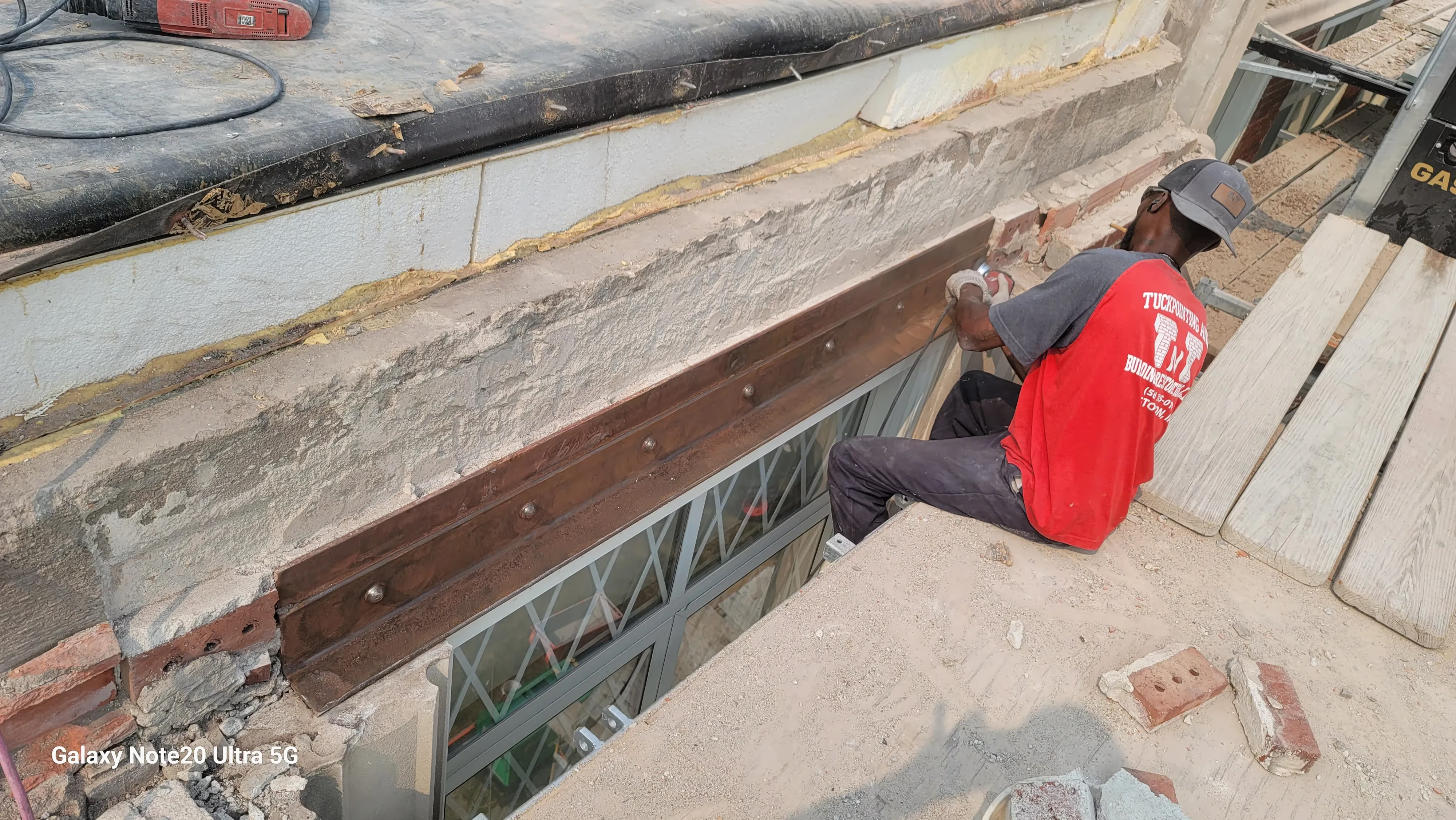
Facade Stabilization
When a facade begins to bow, separate, or shift, stabilization re-anchors and secures the masonry before it becomes a structural failure.
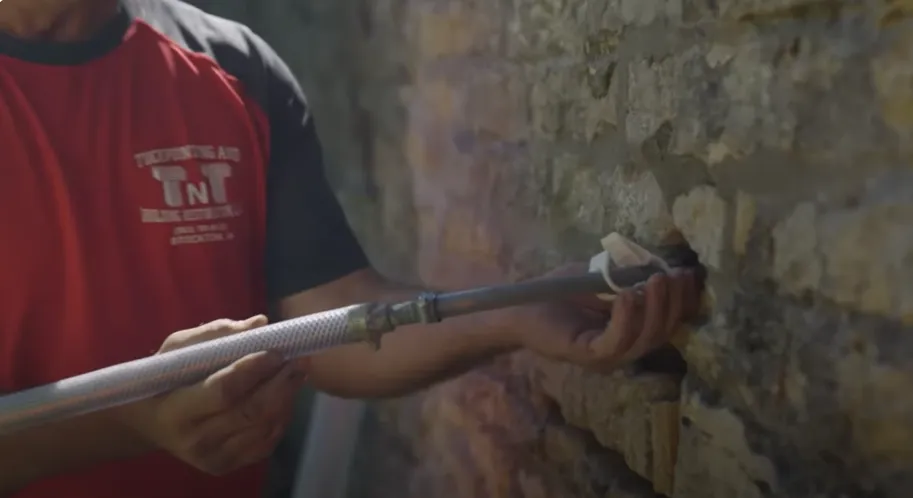
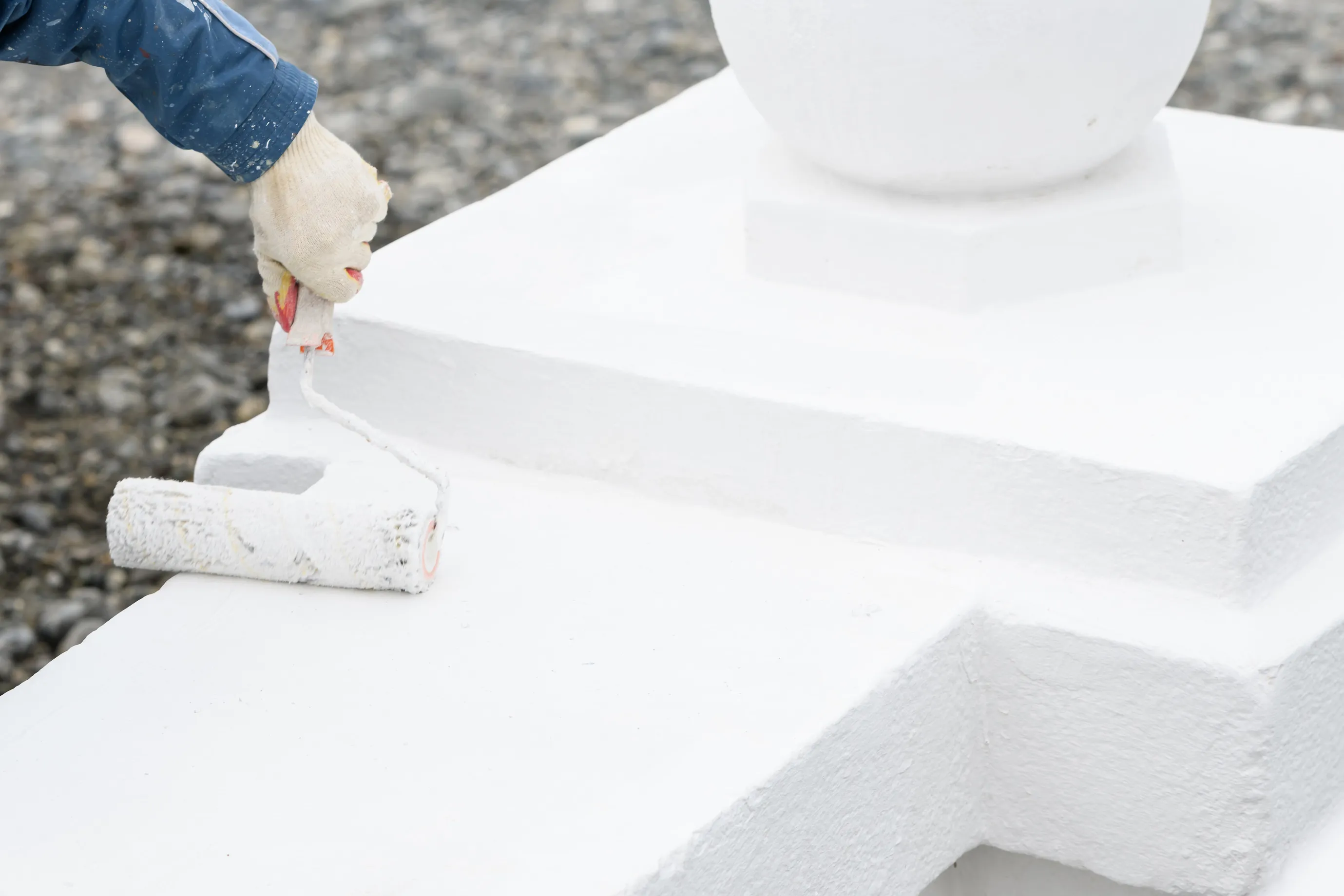
Exterior Wall Coating
A breathable elastomeric coating protects and unifies an aging facade, bridging hairline cracks and shedding water while letting the wall breathe.
Why Masonry & Concrete Restoration Matters
- Safety
- Energy Efficency
- Structural Integrity
- Property Value
4.9 Star On Google
Rated by the building owners and facility managers we serve.
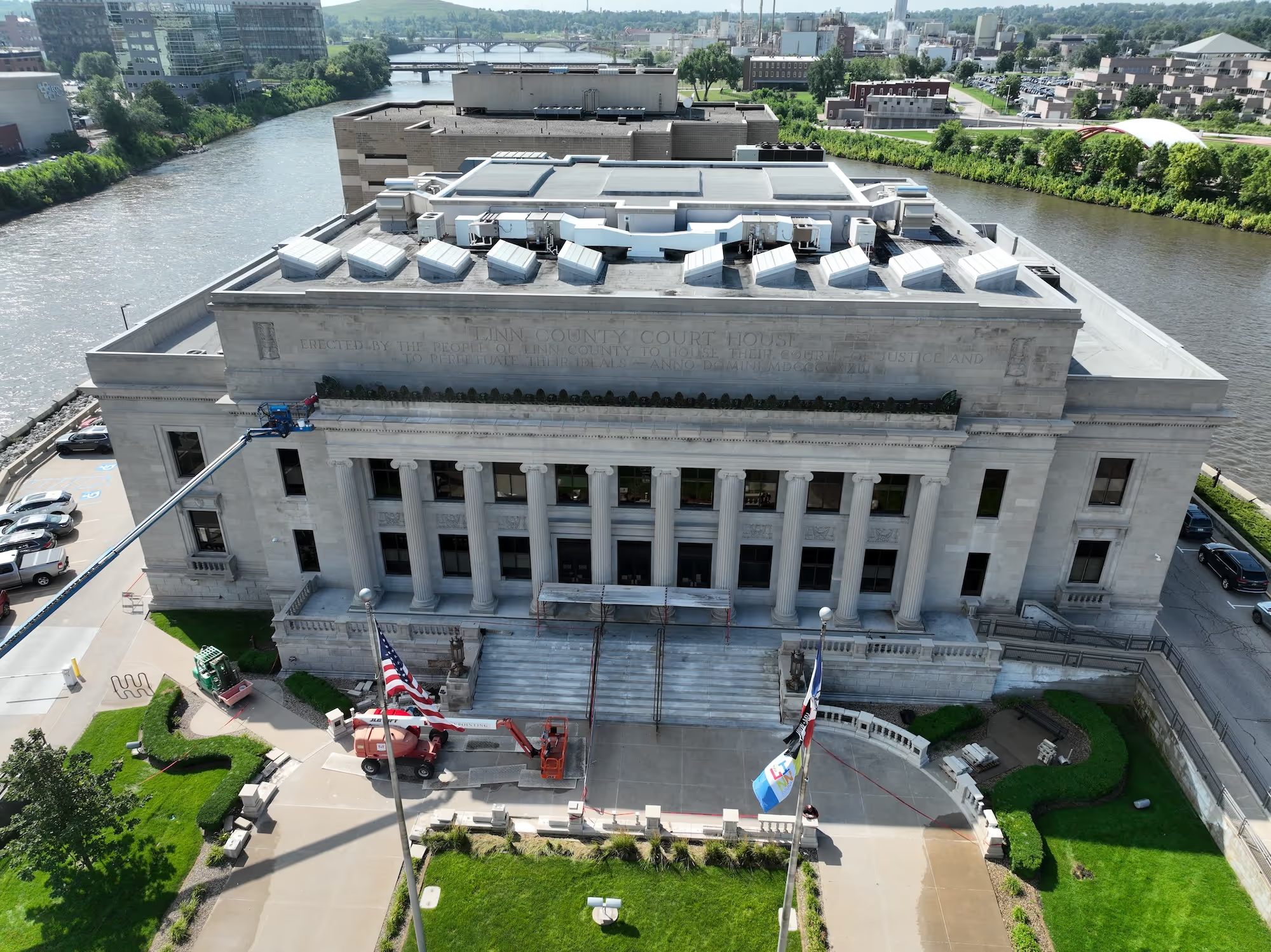
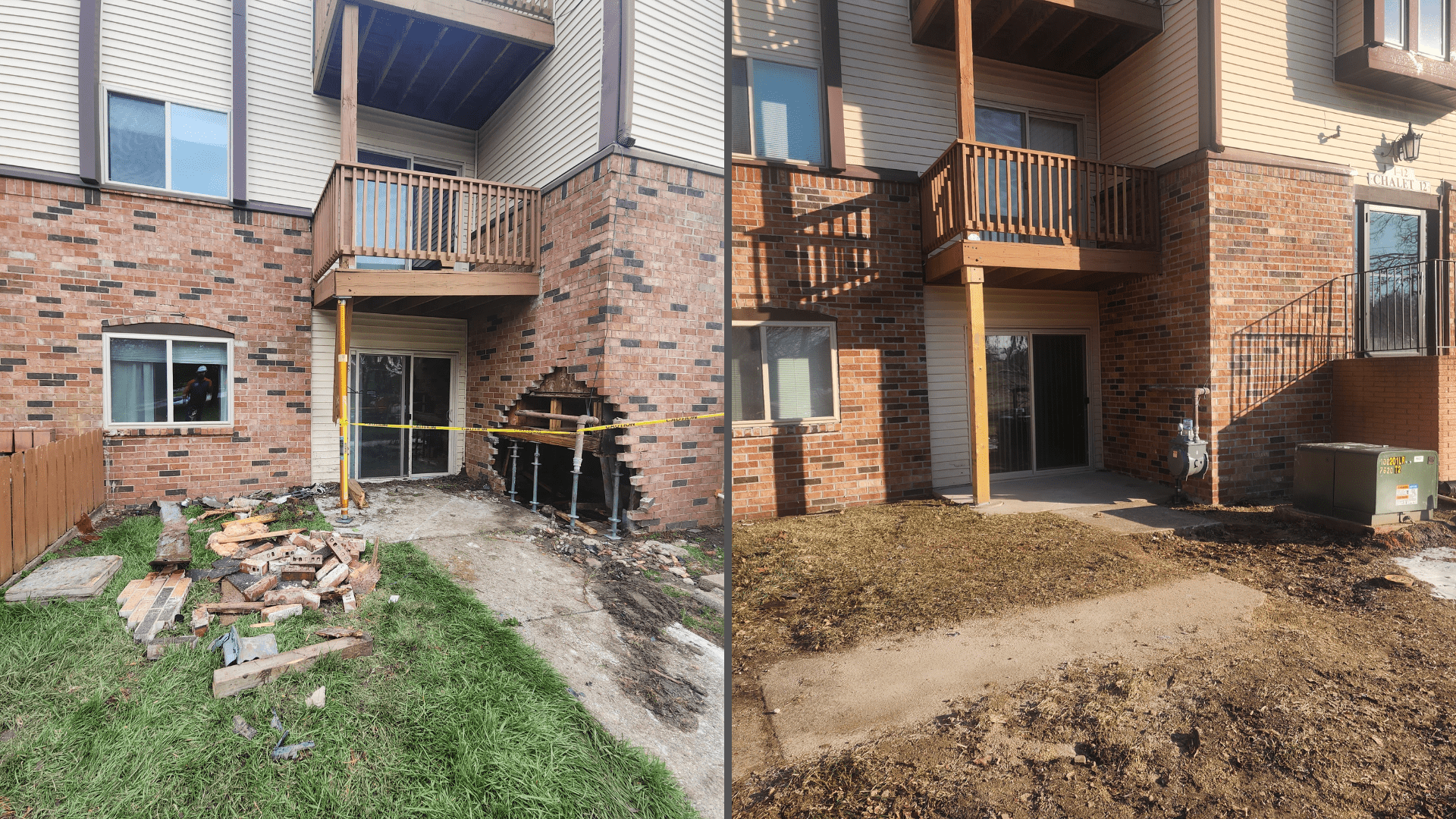
Our Projects Speak for Themselves
Contact Us
Our skilled team is here to bring your building to life. Contact us today to discuss your project!
FAQs
Does TNT provide masonry condition assessments?
Yes. We offer masonry investigations and project scoping services that evaluate the condition of a building's masonry, identify areas of concern, and help owners prioritize and budget for necessary work.
What happens if masonry damage is ignored?
Untreated masonry damage worsens with every freeze-thaw cycle, allowing moisture deeper into the wall system. What starts as minor mortar joint failure can progress to structural instability, interior water damage, and repair costs that far exceed what early intervention would have required.
Can masonry restoration be done in cold weather?
Our primary season runs from mid-February through the end of November. However, interior masonry work and exterior work using heated enclosures can be performed outside that window when conditions require it.
How long does a typical restoration project take?
Timelines vary based on scope and complexity — targeted repairs may take one to two weeks, while large-scale facade restorations can span several months. Our estimators assess the project on-site and provide a detailed proposal with anticipated duration, and we work with building owners to phase work when needed to accommodate budgets and operations.
Does TNT work on both structural and cosmetic masonry issues?
Yes. We self-perform all masonry restoration work, from structural repairs like lintel replacement, parapet rebuilding, and facade stabilization to cosmetic work like mortar matching and stone patching. We address the full spectrum of masonry conditions.
What is the difference between tuckpointing and repointing?
Repointing is the removal of deteriorated mortar and its replacement with new mortar. Tuckpointing is a specific technique that uses two contrasting colors of mortar to create the appearance of fine, uniform joints. In common usage, the terms are often used interchangeably to describe mortar joint repair.
How do you match historic mortar and brick?
Our team includes lime-putty-certified craftsmen who analyze original mortar composition, color, aggregate, and joint profile to produce an accurate match. Brick and stone matching follows a similar process of sourcing materials that align with the original in color, texture, and dimension.
What are the signs a building needs masonry restoration?
Visible warning signs include crumbling or recessed mortar joints, cracked or spalling bricks, efflorescence (white salt deposits), bowing walls, and water staining on interior surfaces. If any of these are present, a professional assessment should be scheduled promptly.
How often does commercial masonry need maintenance?
Most commercial masonry should be inspected every three to five years, with mortar joints and sealants checked on an ongoing basis. Catching deterioration early prevents small problems from becoming major structural issues.
What causes masonry deterioration on commercial buildings?
The primary cause is moisture entering the wall system and then cycling through freeze-thaw expansion, which cracks mortar and spalls brick and stone over time. Wind-driven rain, failed caulking, poor flashing, deferred maintenance, and the use of incompatible repair materials all accelerate the process.
What is the difference between masonry restoration and masonry repair?
Masonry restoration returns a building's masonry to its original condition and appearance, addressing widespread deterioration across a facade. Masonry repair targets specific localized damage such as cracked mortar joints, broken bricks, or a failing lintel.
How do I apply?
Visit our Careers page and submit an application, or contact us directly by phone or through the website. We are always interested in hearing from people who want to build a career in a skilled trade with a commercial contractor that invests in its people.