


.webp)

Your Industrial Building, Our Expertise
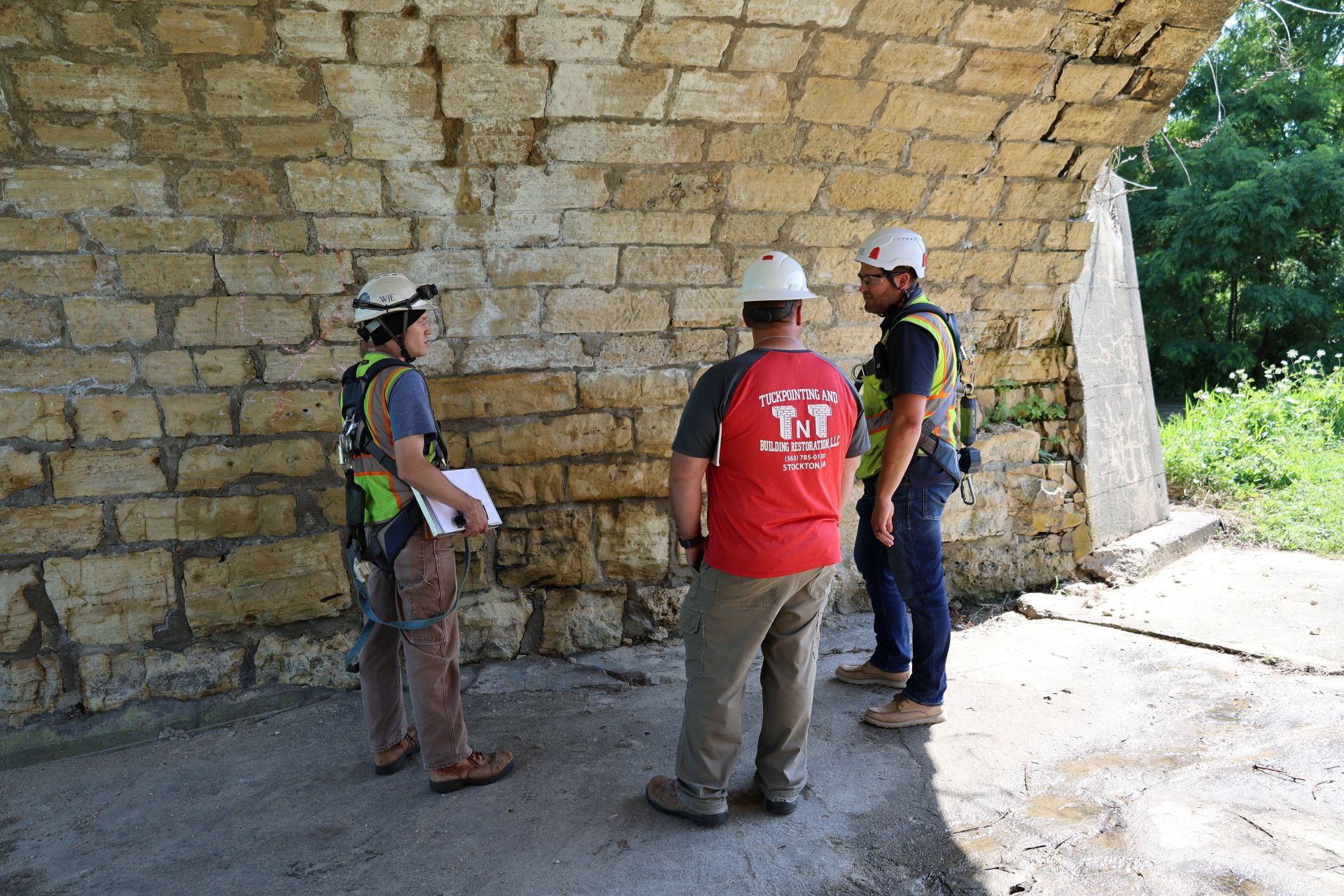
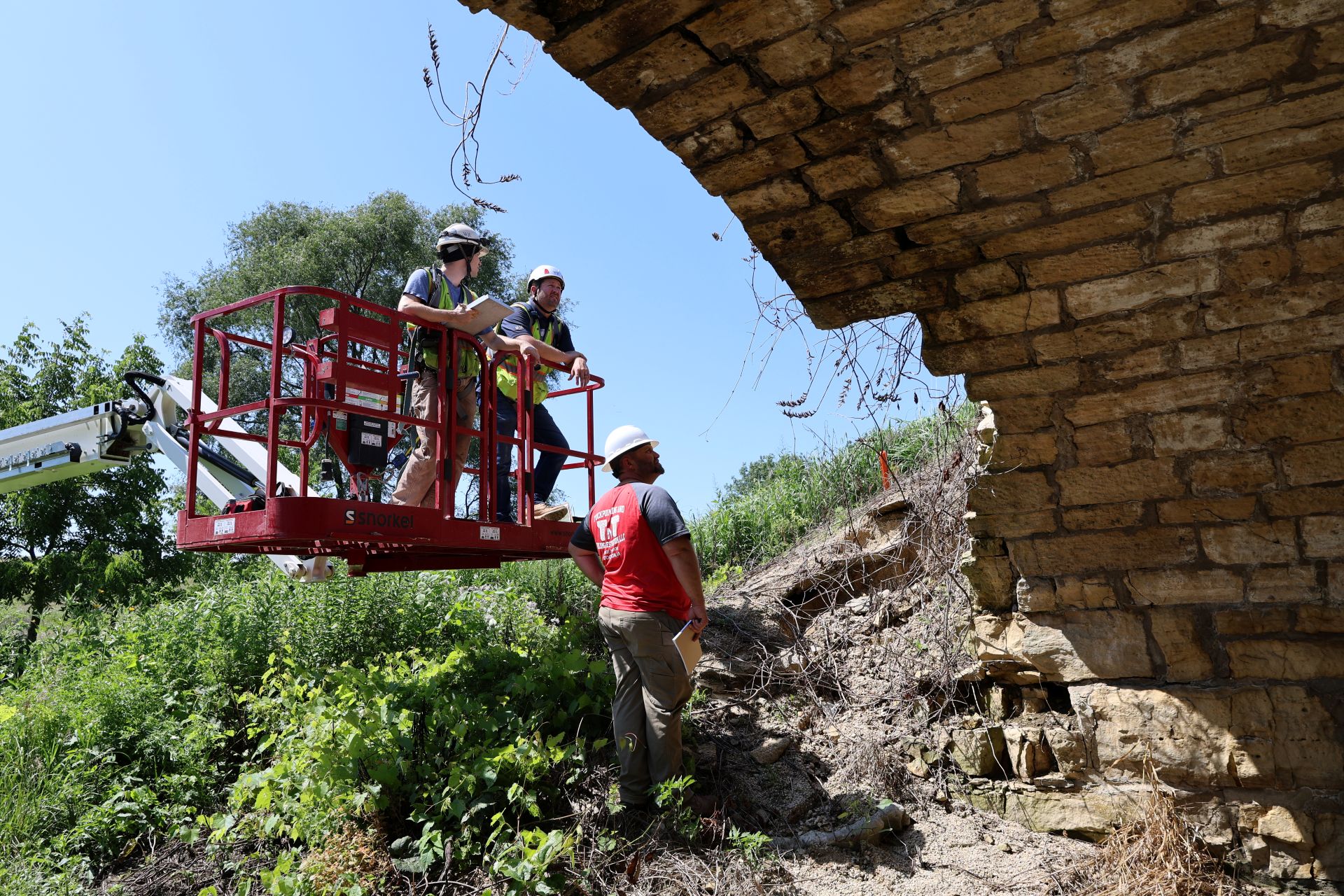
Industrial buildings face unique pressures due to heavy machinery, harsh chemicals, and demanding environments. Our team of experts has extensive experience in addressing the specific needs of industrial facilities, including repairing and restoring damaged structural elements, such as concrete, steel, and masonry. We also have the expertise to mitigate the effects of corrosive substances and environmental factors on industrial buildings.
What We Do Best
Industrial facilities demand restoration solutions that account for heavy use, chemical exposure, and harsh operating environments. Our crews have the training and equipment to work safely in active industrial settings, addressing structural masonry damage, concrete deterioration, and environmental corrosion without disrupting your production schedule.


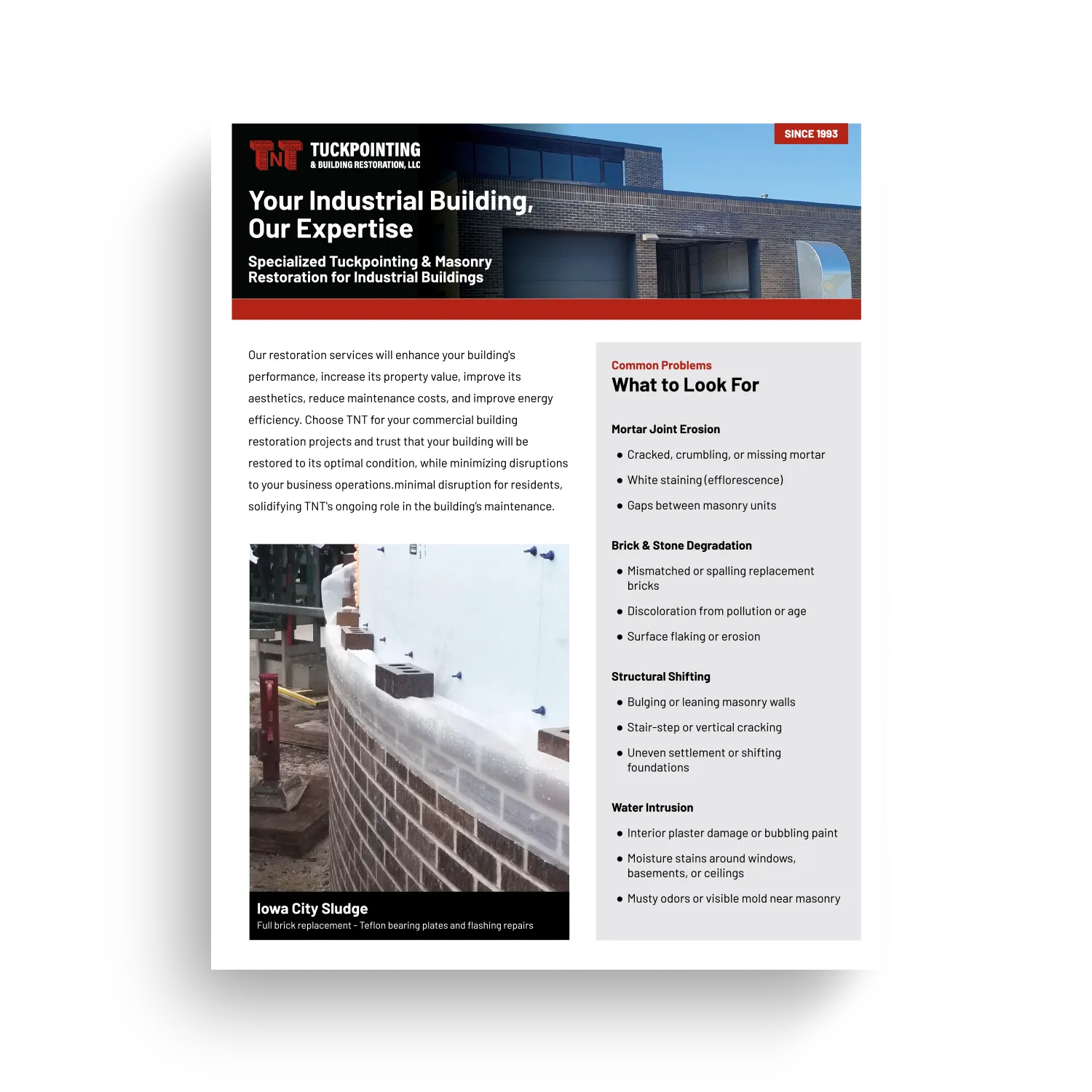
Download Our Industrial Services Overview
Looking to preserve an Industrial building? Download our quick guide to TNT’s restoration services tailored for industrial facilities. Inside, you’ll find...
Preserving the past. Restoring with precision. Serving since 1993.
4.9 Star On Google
Rated by the building owners and facility managers we serve.
Our Projects Speak for Themselves
Browse our portfolio of completed projects to see the quality, scope, and craftsmanship we bring to every job.
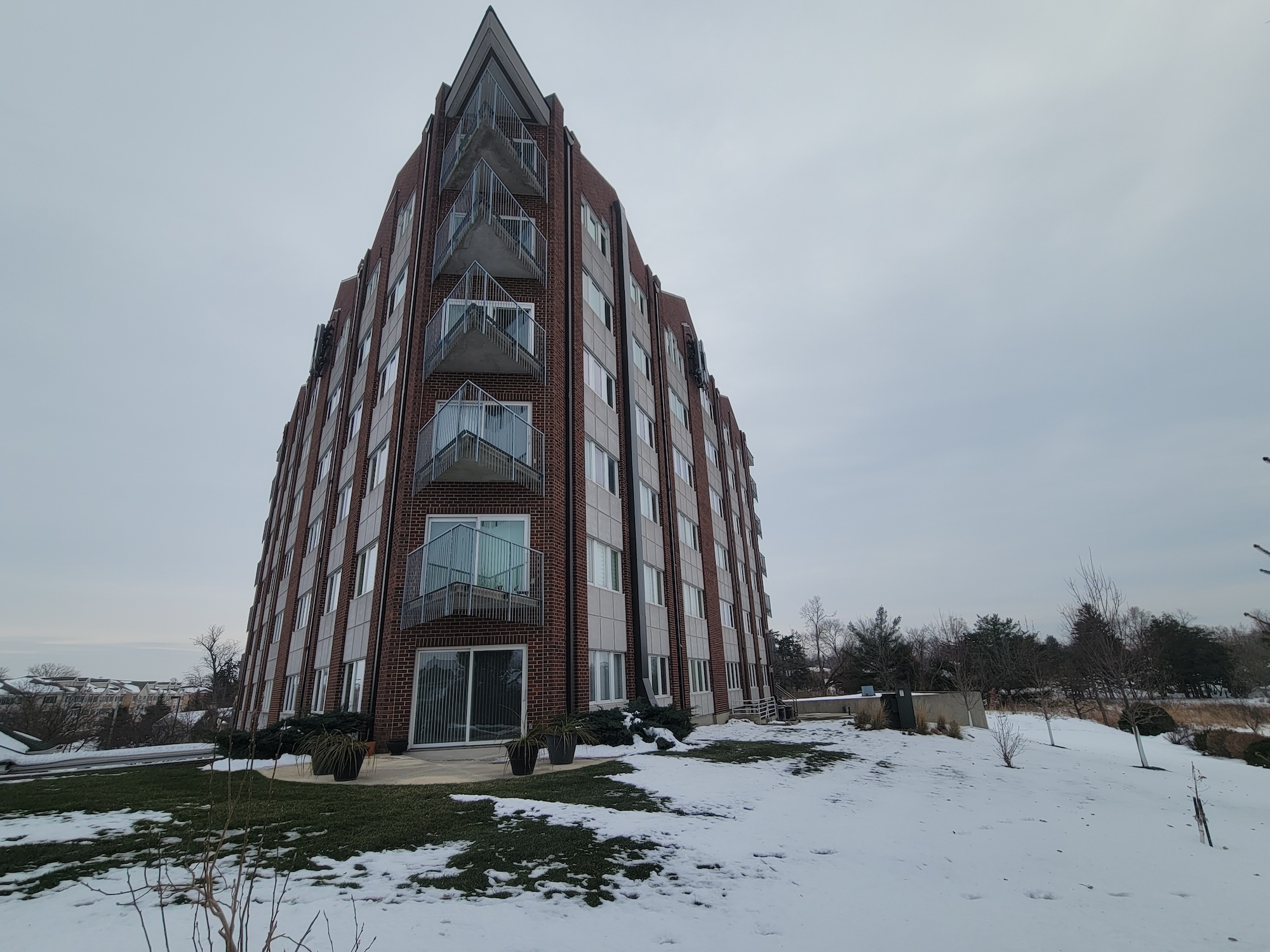
111 Cottage Grove Tower Retrofit
Three elevations, three access challenges, zero damage to the client's landscaping.
-min.avif)
Iowa City Sludge Tank
TNT Tuckpointing restored critical wastewater infrastructure at the Iowa City Sludge Tank.
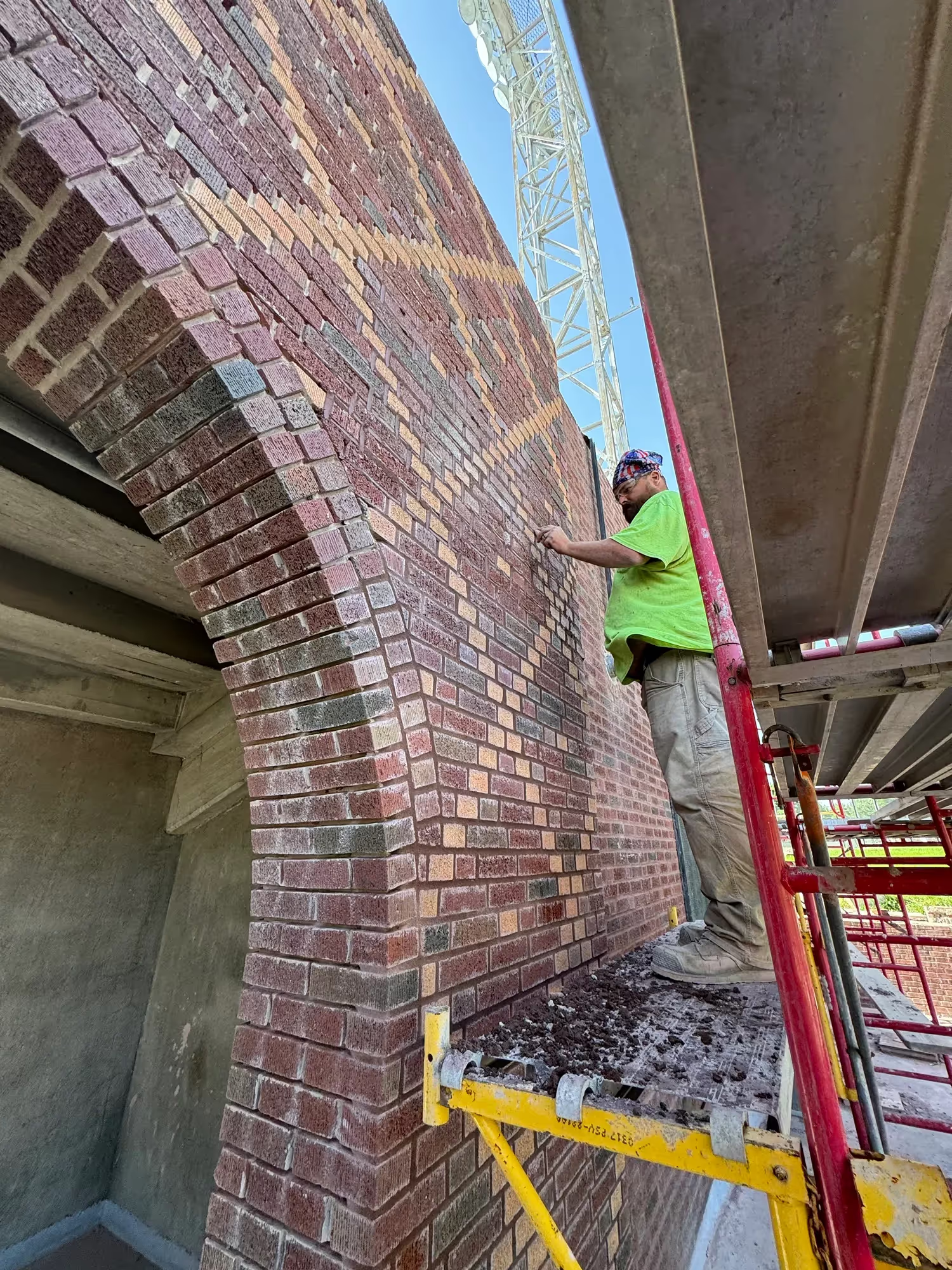
Rock Island Stadium
Expert masonry restoration and structural repairs for the Rock Island Stadium.
Learn More and See What’s Going On
Contact Us
Our skilled team is here to bring your building to life. Contact us today to discuss your project!
FAQs
What is the typical process for starting an industrial masonry project?
It starts with a site assessment to document conditions and understand the facility's operational constraints. We then develop a scope and budget, and build a project schedule that works around production requirements and planned maintenance windows.
Does TNT provide phased repair plans for large industrial facilities?
Yes. We work with facility directors to develop multi-year repair plans that address the most critical areas first and spread costs across budget cycles. Each phase is scoped as a complete, weather-tight repair so the building is protected between phases.
How should plant managers budget for masonry maintenance?
Begin with a condition assessment to document current problems and prioritize by risk and urgency. We work with plant managers to develop phased repair plans that align with capital budgets and can be scheduled around production cycles and planned shutdowns.
Can masonry deterioration affect a facility's fire rating or building envelope?
Yes. Masonry walls contribute to fire separation ratings and building envelope performance. Deteriorated mortar joints, cracked units, and failed sealants compromise both, potentially creating code compliance issues and increasing risk of interior damage from fire or weather.
How does TNT handle safety requirements on industrial job sites?
We follow site-specific safety protocols and work within each facility's safety program. We carry our own comprehensive safety plan and adapt to plant requirements for PPE, hot work permits, lockout/tagout, confined space, and other industrial safety standards.
Does TNT work on smokestacks, chimneys, and industrial structures?
Yes. We restore masonry on smokestacks, chimneys, and other vertical industrial structures. These elements are exposed to extreme thermal cycling, chemical attack, and weathering, and they require specialized access and repair methods.
How do chemical exposure and industrial exhaust affect masonry?
Acidic compounds, sulfates, industrial exhaust, and chemical overspray can erode mortar, discolor brick, and accelerate deterioration far beyond normal weathering. Identifying the exposure source is essential to selecting repair materials that will hold up in that environment.
Does TNT repair masonry around loading docks and industrial openings?
Yes. Loading docks, overhead door openings, and service entries are high-abuse areas where masonry takes repeated impact and weathering. We repair and reinforce masonry around these openings to maintain the building envelope and structural integrity.
How does vibration from heavy equipment affect masonry?
Sustained vibration from heavy machinery, forklifts, and overhead cranes can crack mortar joints, displace masonry units, and accelerate deterioration of the building envelope. Regular assessment of masonry near vibration sources catches these problems before they become structural.
Can masonry restoration be done without disrupting plant operations?
In most cases, yes. We schedule work around production cycles and coordinate with facility managers so operations continue uninterrupted. When shutdowns are necessary for specific areas, we plan that work to align with scheduled maintenance windows.
What masonry problems are most common on manufacturing and warehouse buildings?
Deteriorated mortar joints, cracked or displaced masonry from structural movement or vibration, failed caulking around openings, and damage from chemical exposure, thermal cycling, or impact. Industrial buildings take more physical abuse than most, and it shows in the masonry.
How does TNT perform masonry work in active industrial facilities?
We plan every industrial project around your operations, coordinating access, staging, and scheduling to avoid production shutdowns. We work with plant managers to identify windows for access-intensive tasks and sequence work to stay out of the way of active operations.