


Preserving History
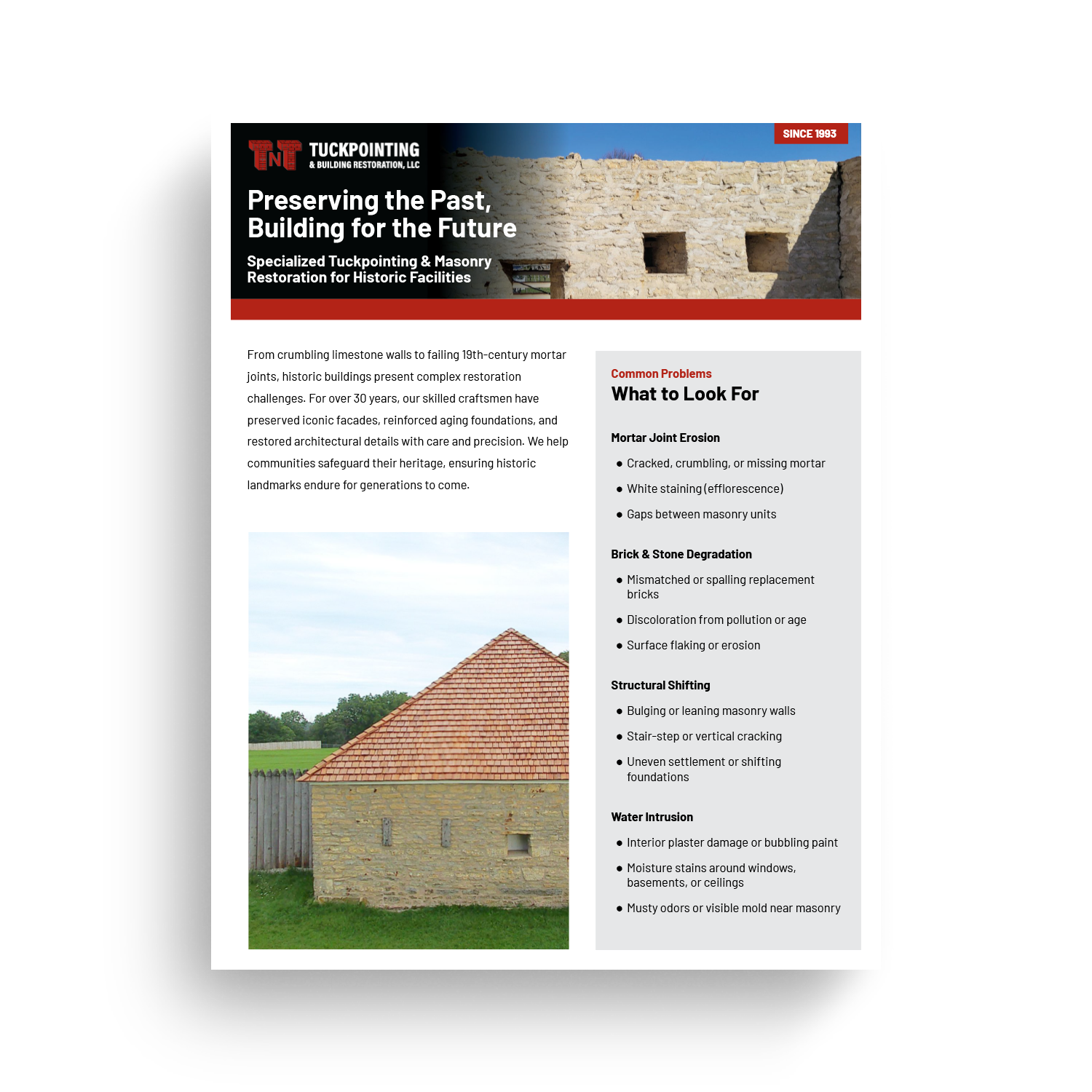
Historic buildings are the foundation of what many of our local towns throughout the United States were built on. Those local towns, their communities, the local governments and historical societies are passionate about preserving that history, so we feel especially honored every time we’re chosen to be a part of the process of restoring historic properties.
What We Do Best
Restoring a historic building means understanding the original materials, construction methods, and architectural intent — then matching them precisely. Our team brings decades of hands-on preservation experience to every project, working with historical societies, architects, and property owners to maintain the character and structural integrity of buildings that matter to their communities.


Download Our Historic Preservation Services Overview
Looking to preserve a historic building? Download our quick guide to TNT’s restoration services tailored for historic structures. Inside, you’ll find...
Preserving the past. Restoring with precision. Serving since 1993.
4.9 Star On Google
Rated by the building owners and facility managers we serve.
Our Projects Speak for Themselves
Browse our portfolio of completed projects to see the quality, scope, and craftsmanship we bring to every job.

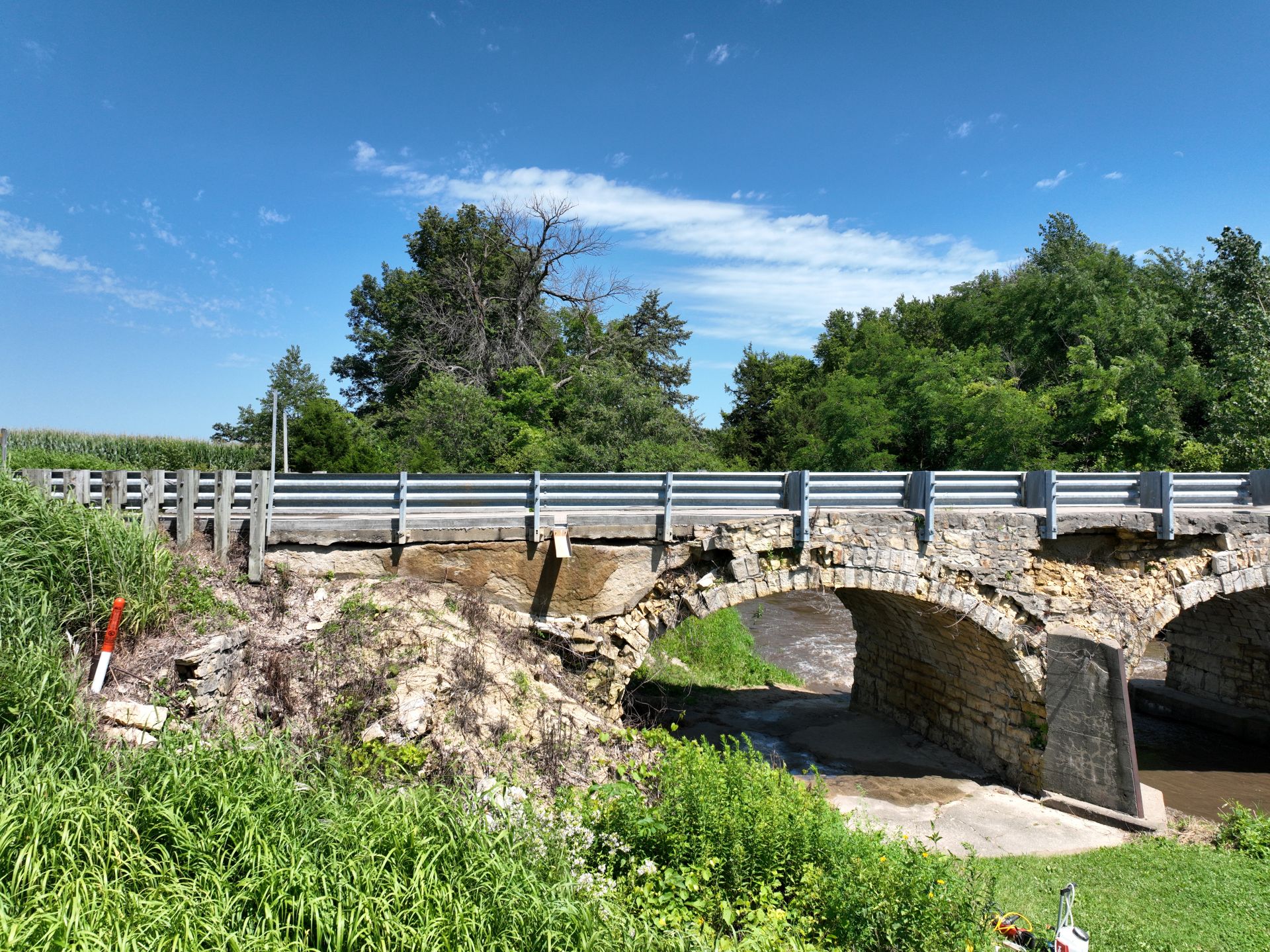
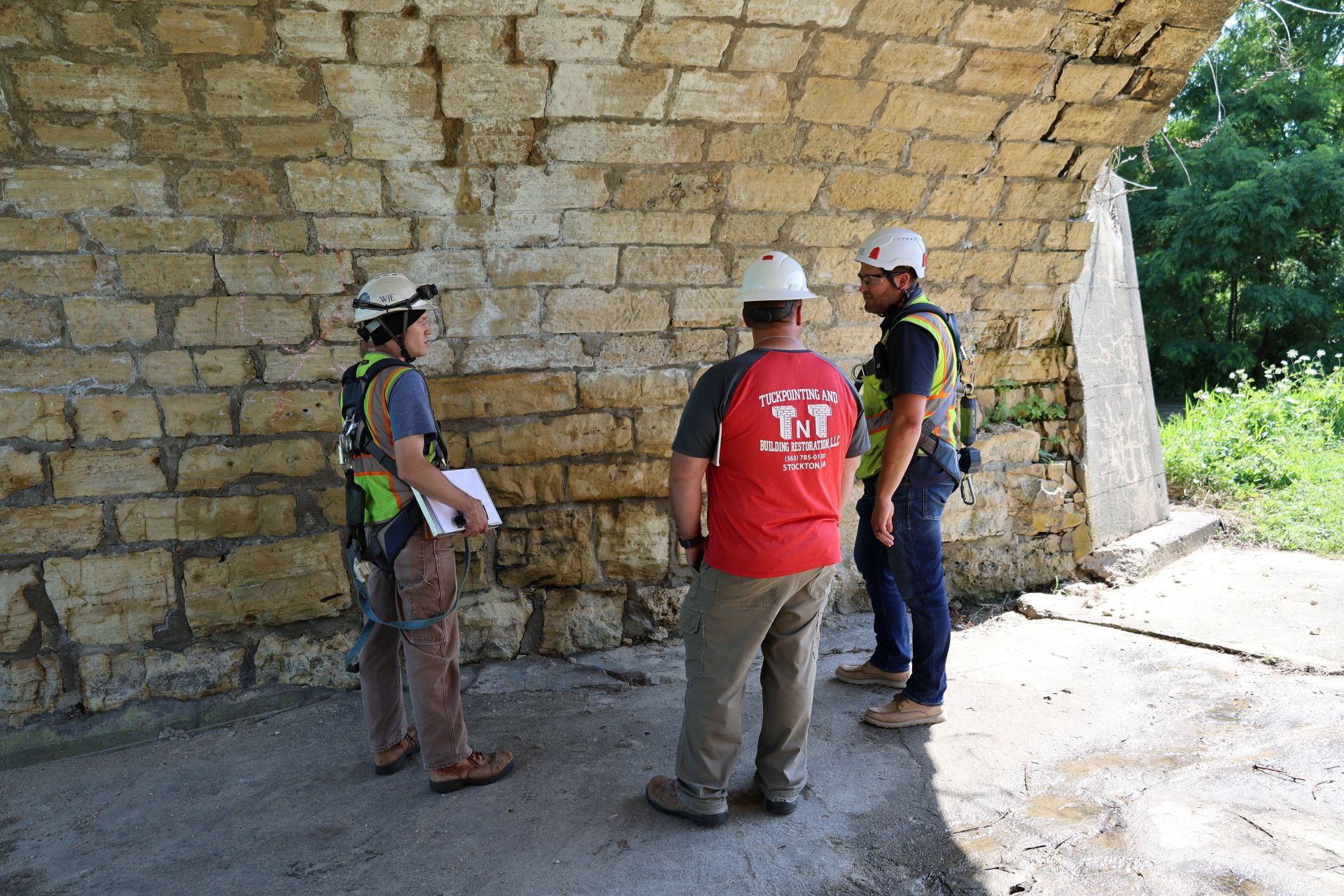
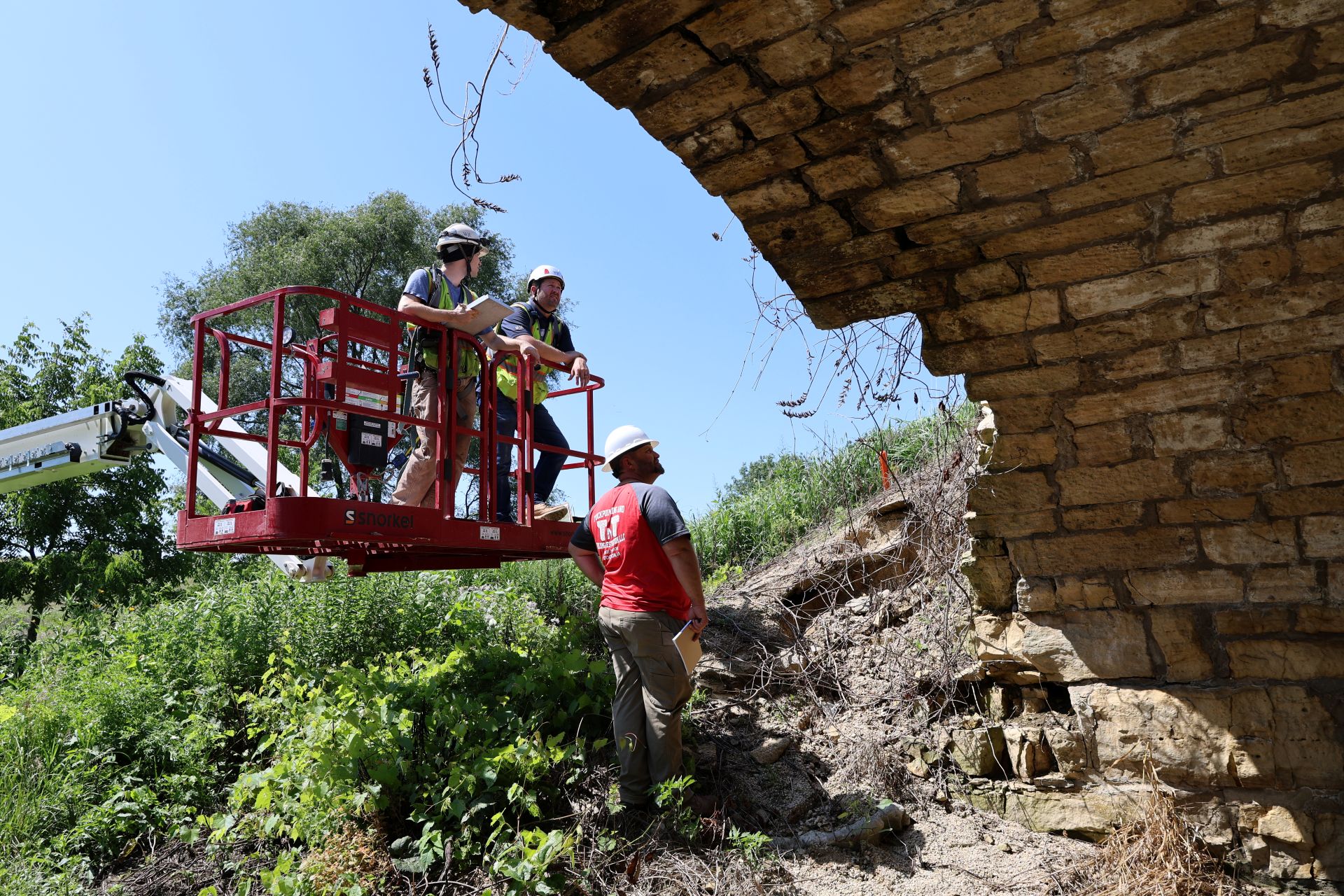
Ely Stone Bridge Masonry Investigation
Iowa's last three-arch stone bridge, and the assessment that found what's destroying it.
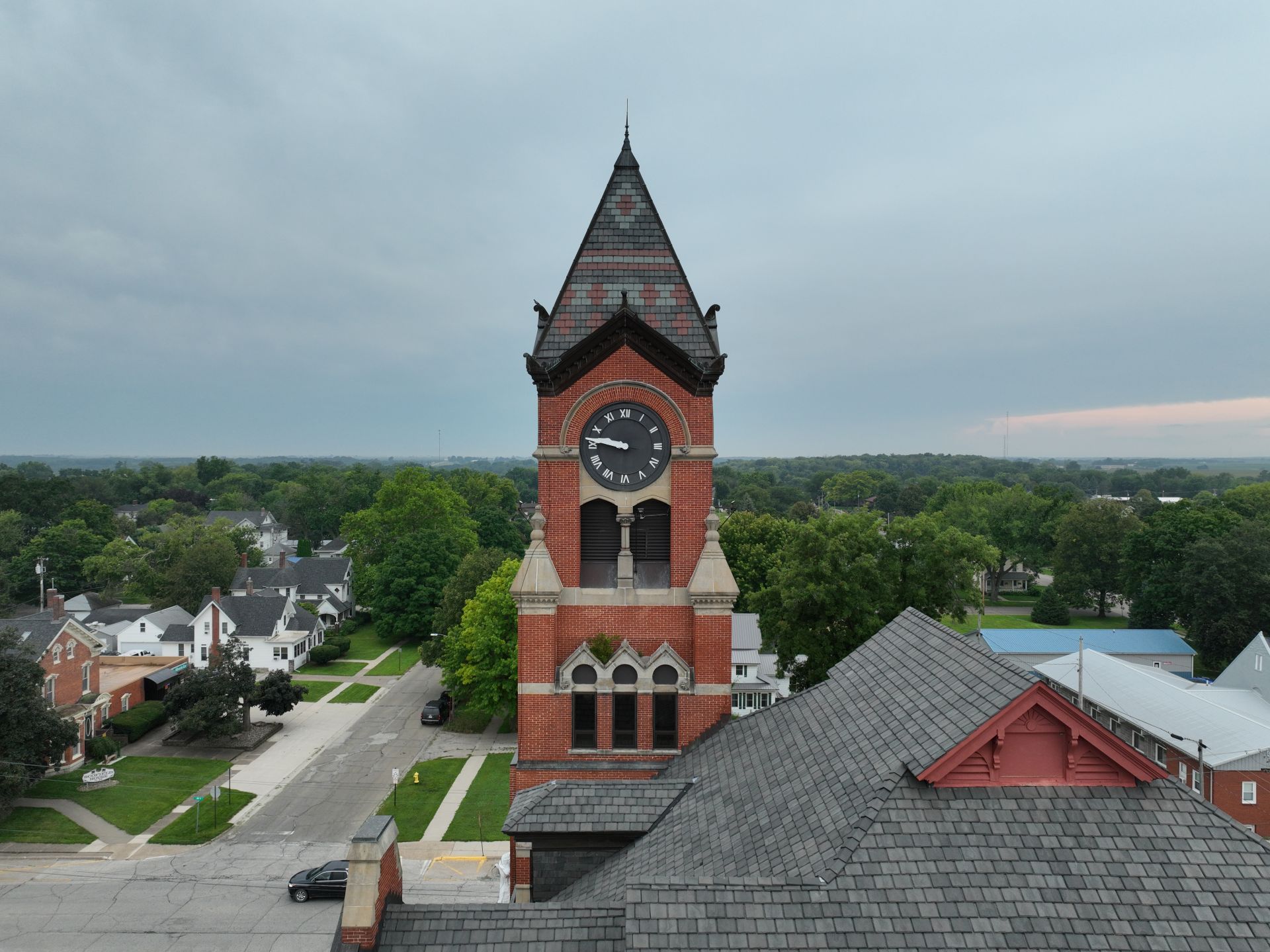
Washington County Courthouse
Exterior masonry restoration for a historic Iowa courthouse.
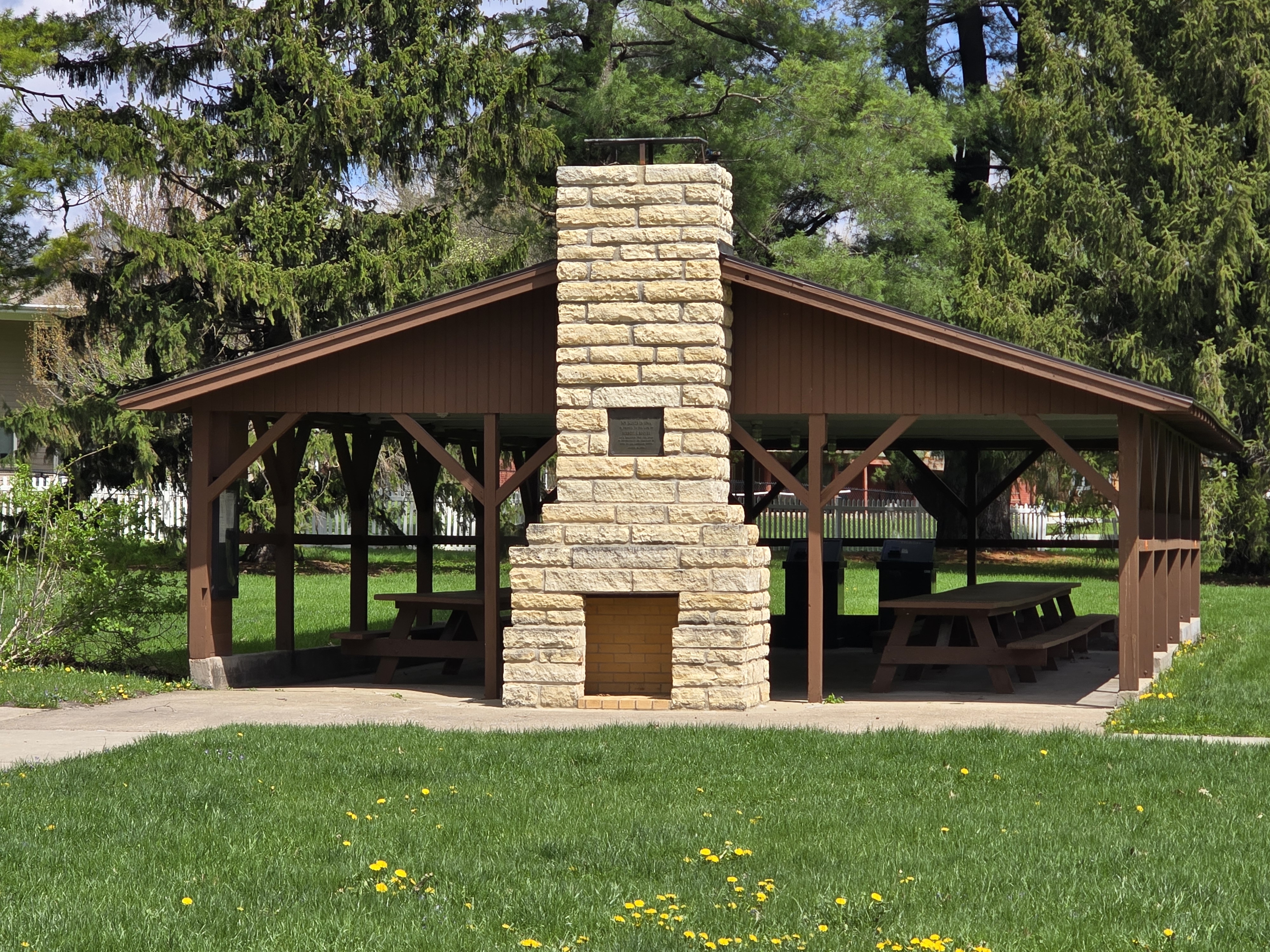
Herbert Hoover National Historic Site
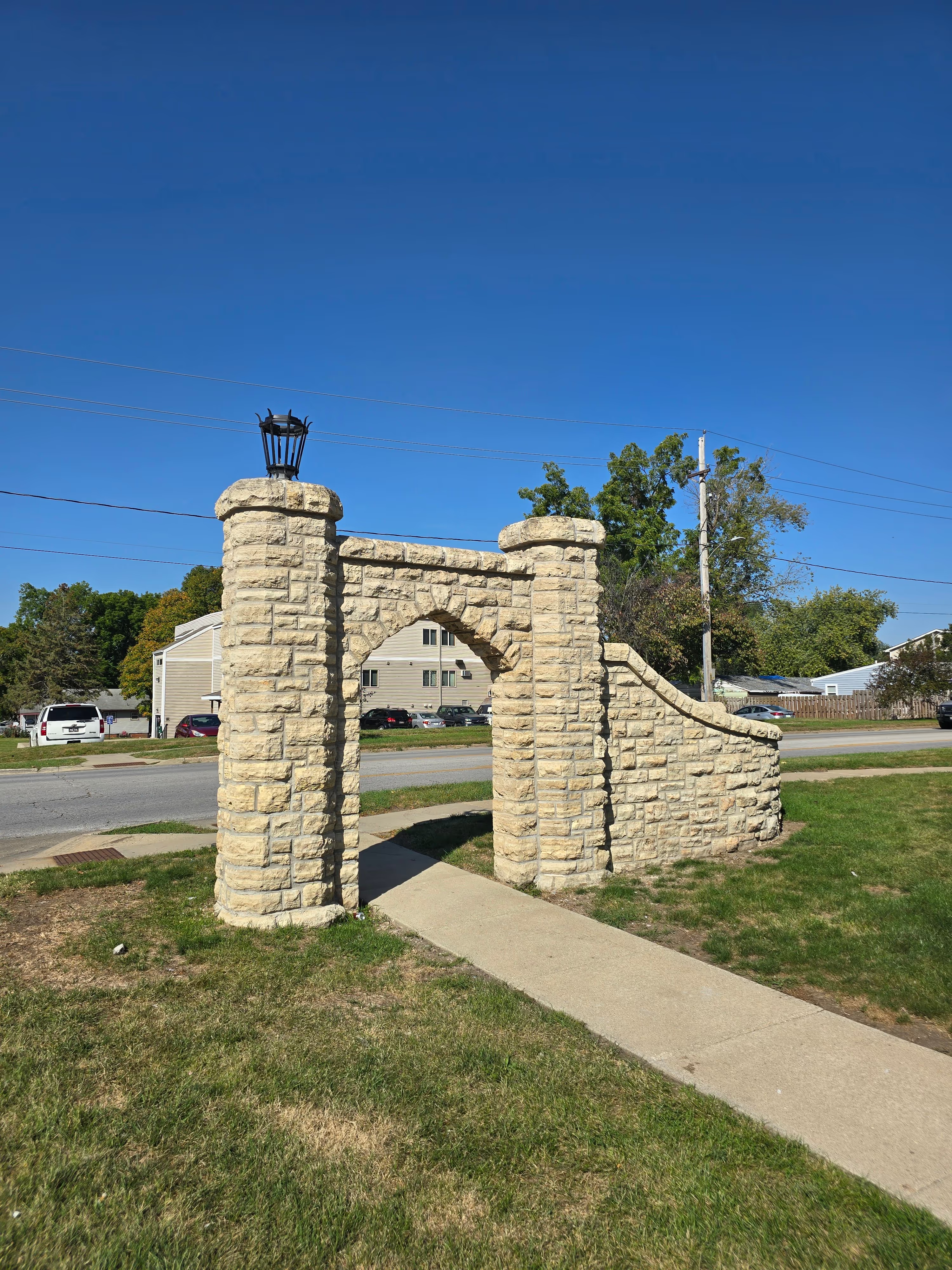
TNT Tuckpointing's restoration of three historic masonry features at Herbert Hoover NHS.
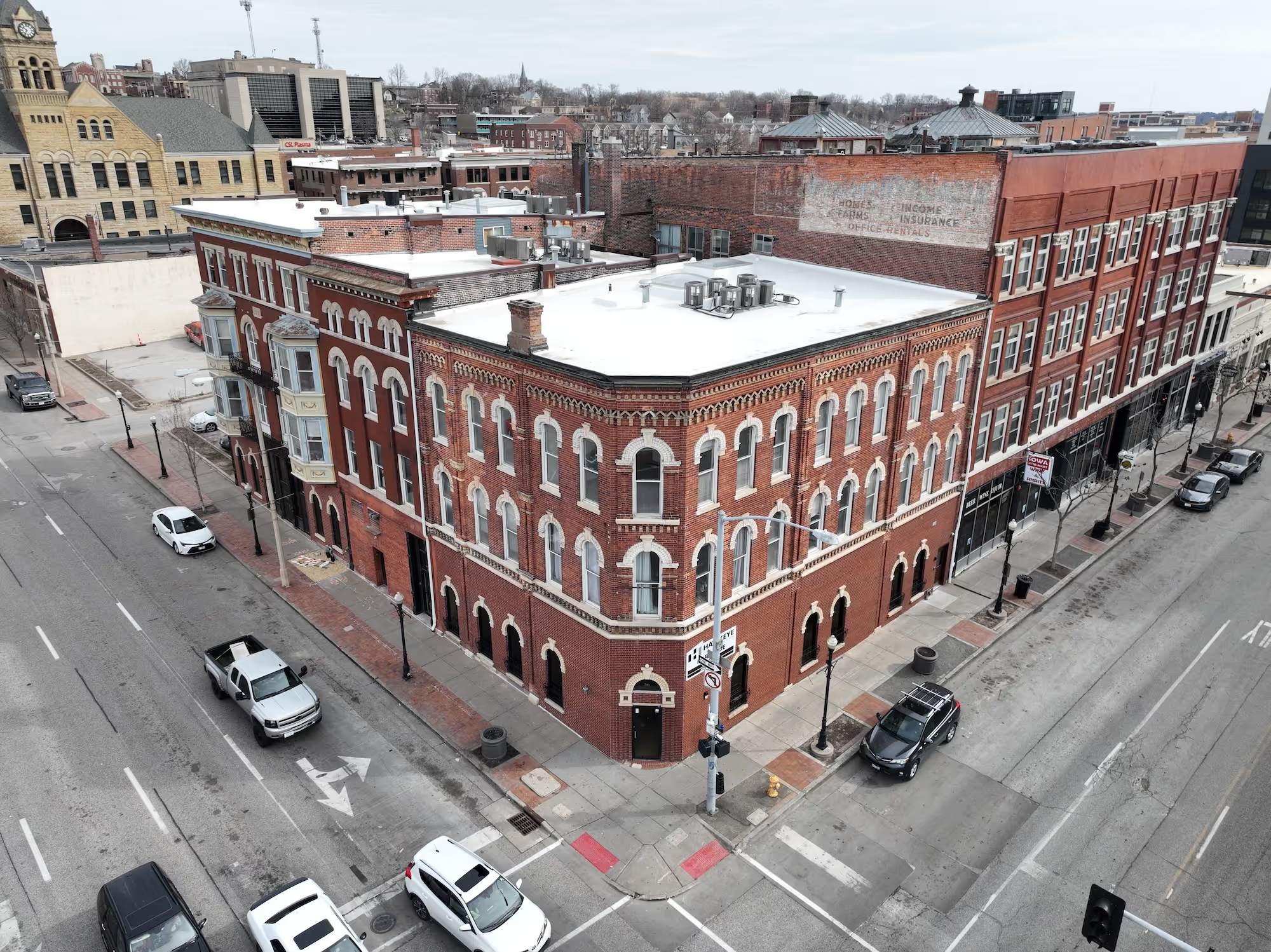
246 W 3rd Street – Historic Masonry Restoration
Three-phase historic brick restoration on a downtown Davenport landmark.
Learn More and See What’s Going On
Contact Us
Our skilled team is here to bring your building to life. Contact us today to discuss your project!
FAQs
How does TNT work with State Historic Preservation Offices and preservation consultants?
We collaborate directly with SHPOs, preservation consultants, and architects throughout the project, providing documentation, mock-ups, and test panels as required. About half of our work is historic preservation, so these working relationships are well established.
Can modern repair materials be used on historic buildings?
It depends on the material and the building. Some modern products perform well and are appropriate, while others can cause damage to historic masonry. We select repair materials based on compatibility with the original construction, not simply what is newest on the market.
What is the typical timeline for a historic restoration project?
Timelines depend on the building's size, condition, and the scope of work. Our active field season runs from mid-February through the end of November, and larger historic projects are often phased across multiple seasons to align with budgets and preservation review timelines.
How does TNT balance structural repairs with preservation requirements?
Structural integrity and historic character are not mutually exclusive. We use repair methods and materials that meet structural requirements while respecting the building's original fabric, ensuring the work satisfies both engineering standards and preservation guidelines.
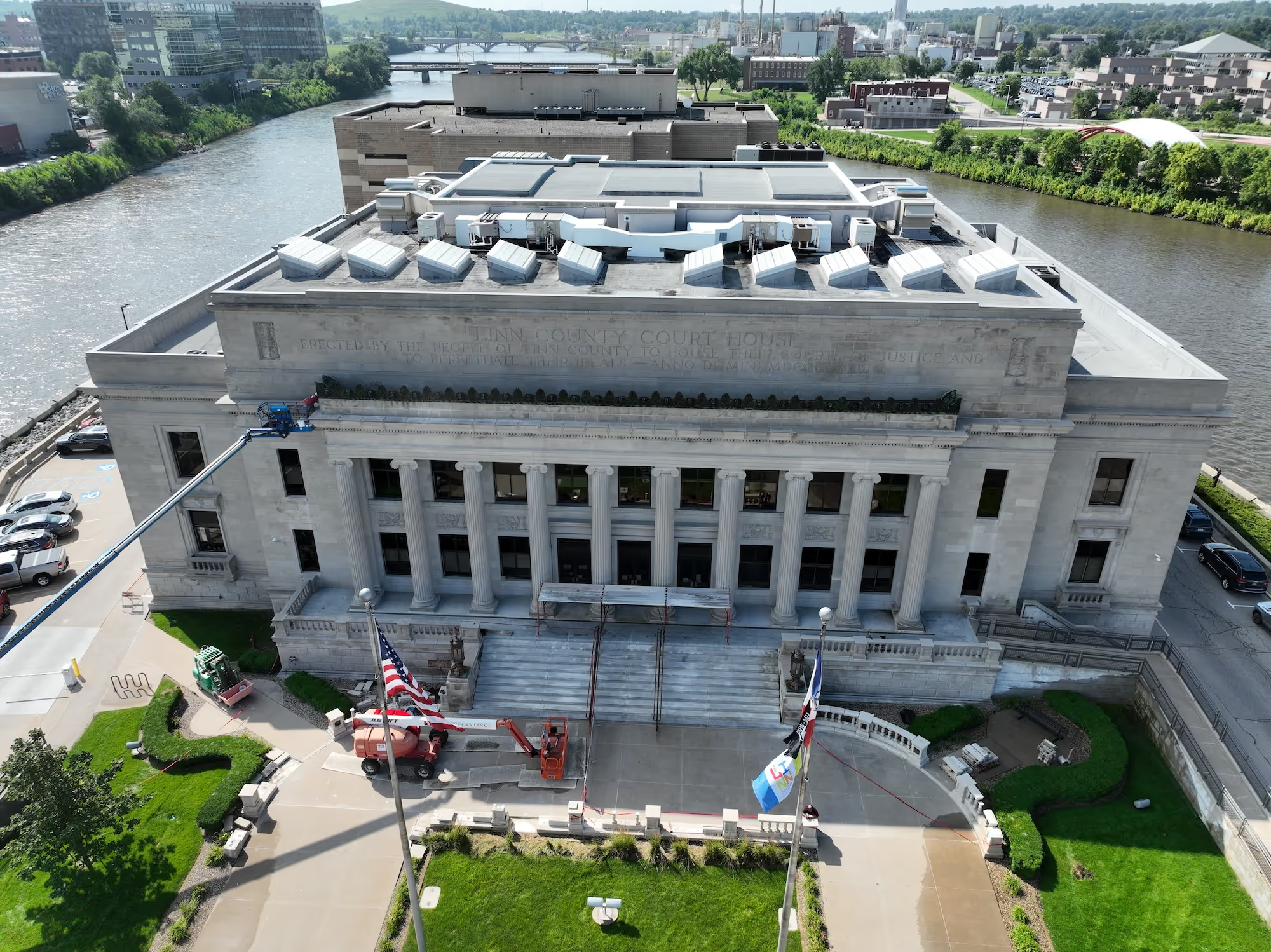
Does TNT have experience with churches, courthouses, and civic buildings?
These are among the most common building types we restore. Churches and government buildings make up a large share of our historic preservation work, with courthouses typically our largest projects by dollar value.
What grants are available for historic masonry restoration in Iowa and the Midwest?
Iowa, Wisconsin, Minnesota, and Illinois each offer state-level historic preservation tax credits, and many communities have local grant programs for historic buildings. Federal historic tax credits are also available for income-producing properties. We can help you understand what documentation your project will need.
How does TNT handle ornamental and decorative masonry on historic buildings?
We repair, replicate, and restore ornamental terra cotta, carved stone, corbelled brickwork, and other decorative elements using techniques and materials appropriate to the building's period. Where original elements are too deteriorated to save, we fabricate accurate replacements.
Can TNT restore buildings listed on the National Register of Historic Places?
Yes. We have extensive experience restoring National Register-listed buildings including churches, courthouses, and civic landmarks. We understand the review processes and documentation requirements these projects demand.
What documentation does TNT provide for historic preservation projects?
Every project receives a closeout package with photography, warranty, and product data sheets. On historic projects, we provide additional documentation as needed to support tax credit applications, grant requirements, and State Historic Preservation Office reviews.
Is masonry restoration eligible for historic tax credits?
In many cases, yes. Federal and state historic tax credit programs can offset a significant portion of qualified rehabilitation costs on eligible buildings. We provide the project documentation these programs require, though building owners should consult a tax professional for eligibility specifics.
How does TNT match mortar and brick on a building that's 100+ years old?
We analyze the existing mortar composition, color, texture, and joint profile, then develop custom mortar mixes to match. For brick, we source salvage material or work with suppliers who produce historically accurate replacements to maintain the building's original character.
Does TNT follow the Secretary of the Interior's Standards for Historic Preservation?
Yes. Our historic restoration work follows the Secretary of the Interior's Standards for the Treatment of Historic Properties. Roughly half of our total project volume is historic preservation, so these standards guide our daily work, not just occasional projects.