


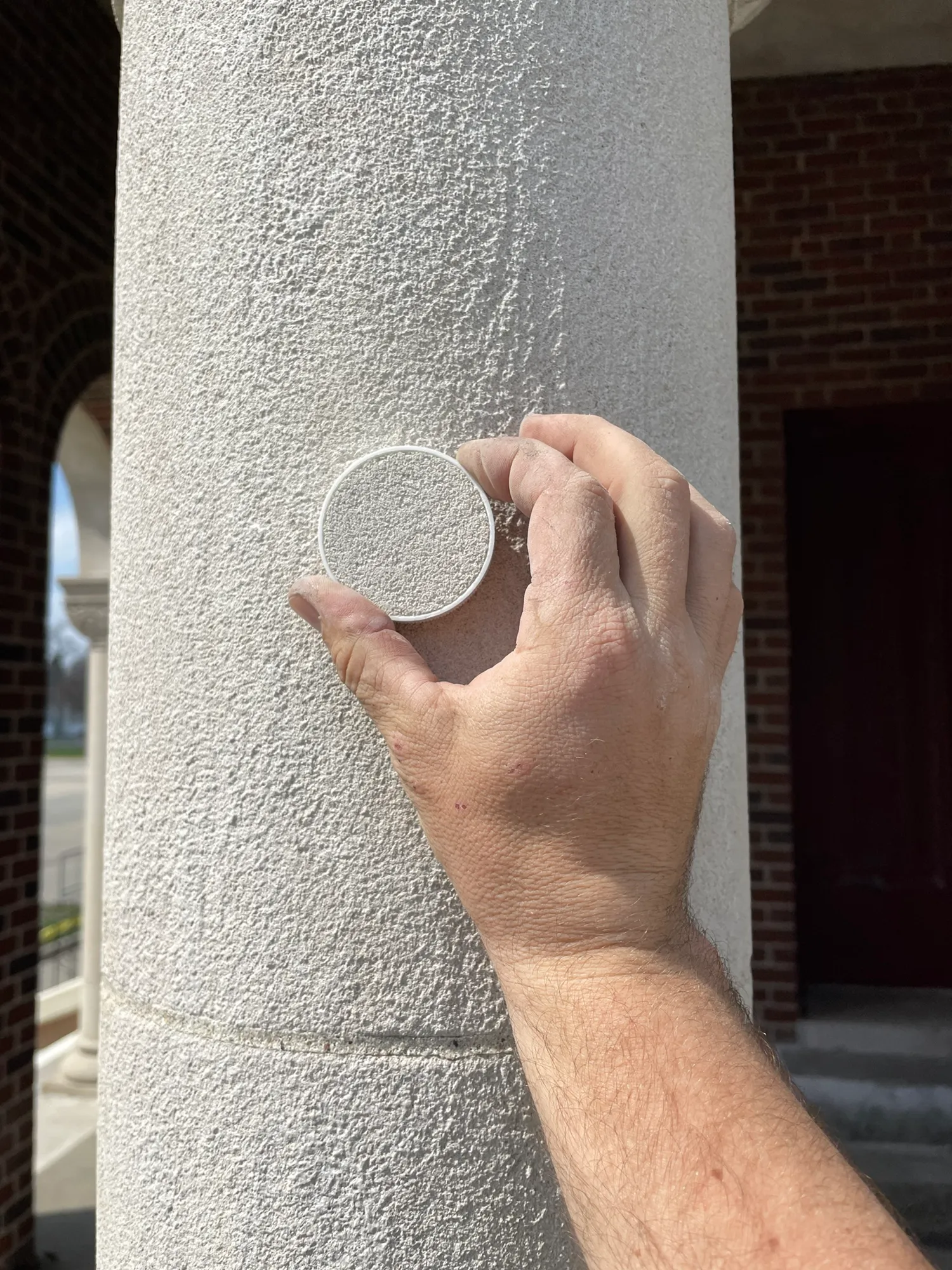
Limestone & Stone Restoration That Matches
Repair cracked or spalling architectural stone with custom-tinted composite mortars, or fully replace unsalvageable units with matching natural stone.
- Precision Dutchman repairs and full-depth structural replacements.
- Custom-blended restoration mortars matched to original mineral composition.
- Restores safe structural load-bearing capacity and crisp architectural profiles.
Why Stone Repair Matters
Damaged stone admits water, which accelerates deterioration through freeze-thaw cycling and can spread to adjacent units. Quality patching and replacement restore the weather barrier and appearance while preserving the character of the stonework.
- Preserves building integrity
- Increases property value
- Protects against water damage
- Enhances building appearance
- Restores the stone's weather resistance.
- Prevents localized damage from spreading.
- Retains original material wherever possible.
How TNT Approaches Stone Repair
We match repair mortars to the stone's color, texture, and porosity so patches blend rather than stand out, and choose between patching, dutchman repair, and full replacement based on the extent of damage and preservation goals. Decades of historic work inform our material selection so repairs stay compatible with the original stone.
When Stone Patching or Replacement Is Needed
- Cracked, chipped, or broken stone units
- Spalling or surface loss on stone faces
- Missing corners, edges, or carved detail
- Open joints and water entry around stone elements
- Previous patches that have failed or discolored
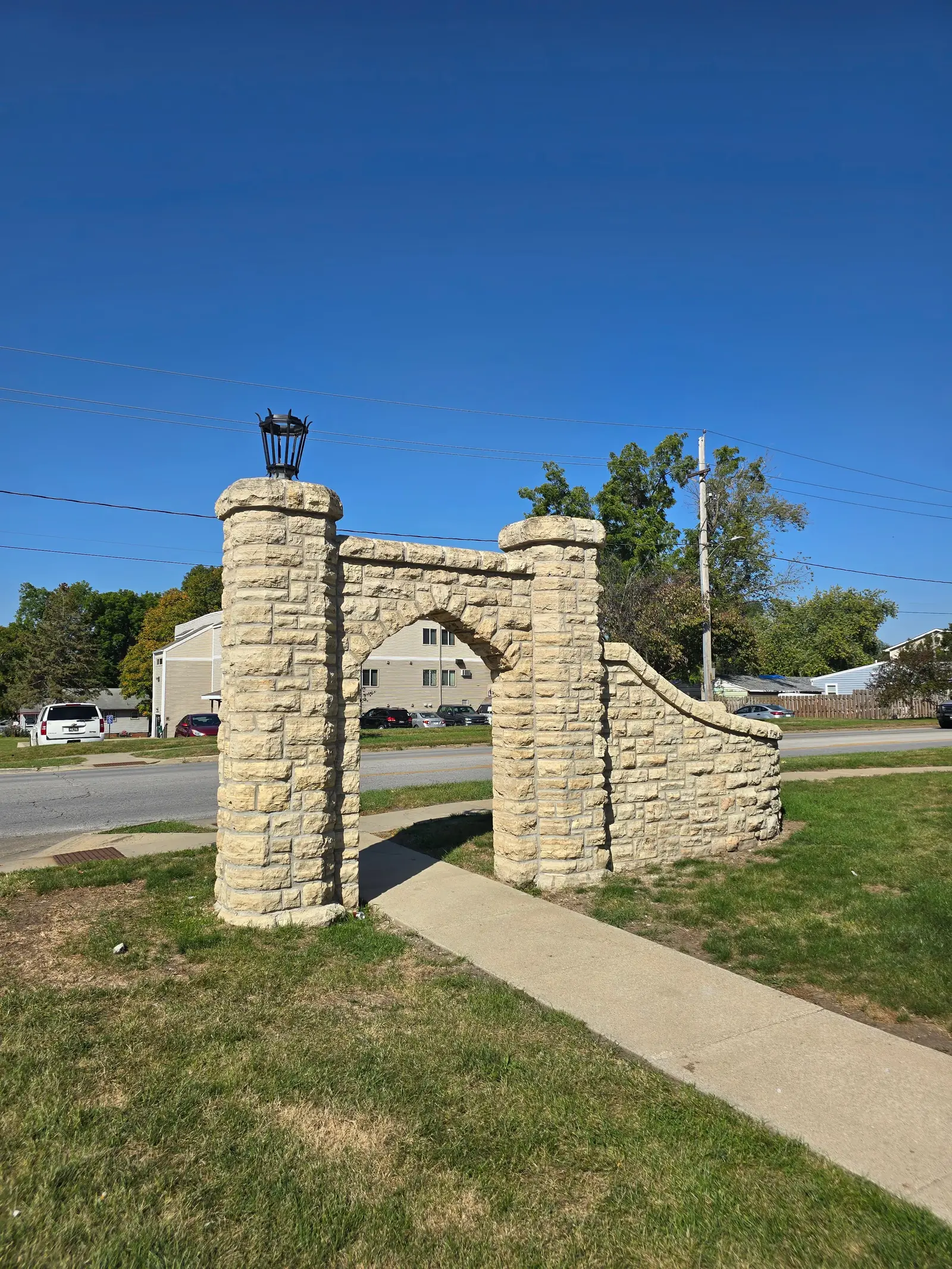
Our Projects Speak for Themselves


FAQs
How is stone patching performed?
Does stone patching work on load-bearing walls?
Is stone patching appropriate for historic or landmark buildings?
What is stone patching and how does it differ from stone replacement?
What is the difference between stone consolidation and stone patching?
When should stone be patched vs. fully replaced?
How much does stone repair cost on a commercial building?
What types of stone does TNT repair?
How long does a stone patch last?
Can new replacement stone be matched to existing stone?
What causes stone to crack, spall, or erode?
How does freeze-thaw cycling damage building stone in the Midwest?
What is a Dutchman repair?
Contact Us
Our skilled team is here to bring your building to life. Contact us today to discuss your project!