



Protecting Your Community's Heritage
We understand the importance of preserving your religious institution as a valuable community asset. Our restoration and maintenance services are designed to ensure that your sacred space remains a source of comfort, inspiration, and connection for generations to come.
What We Do Best
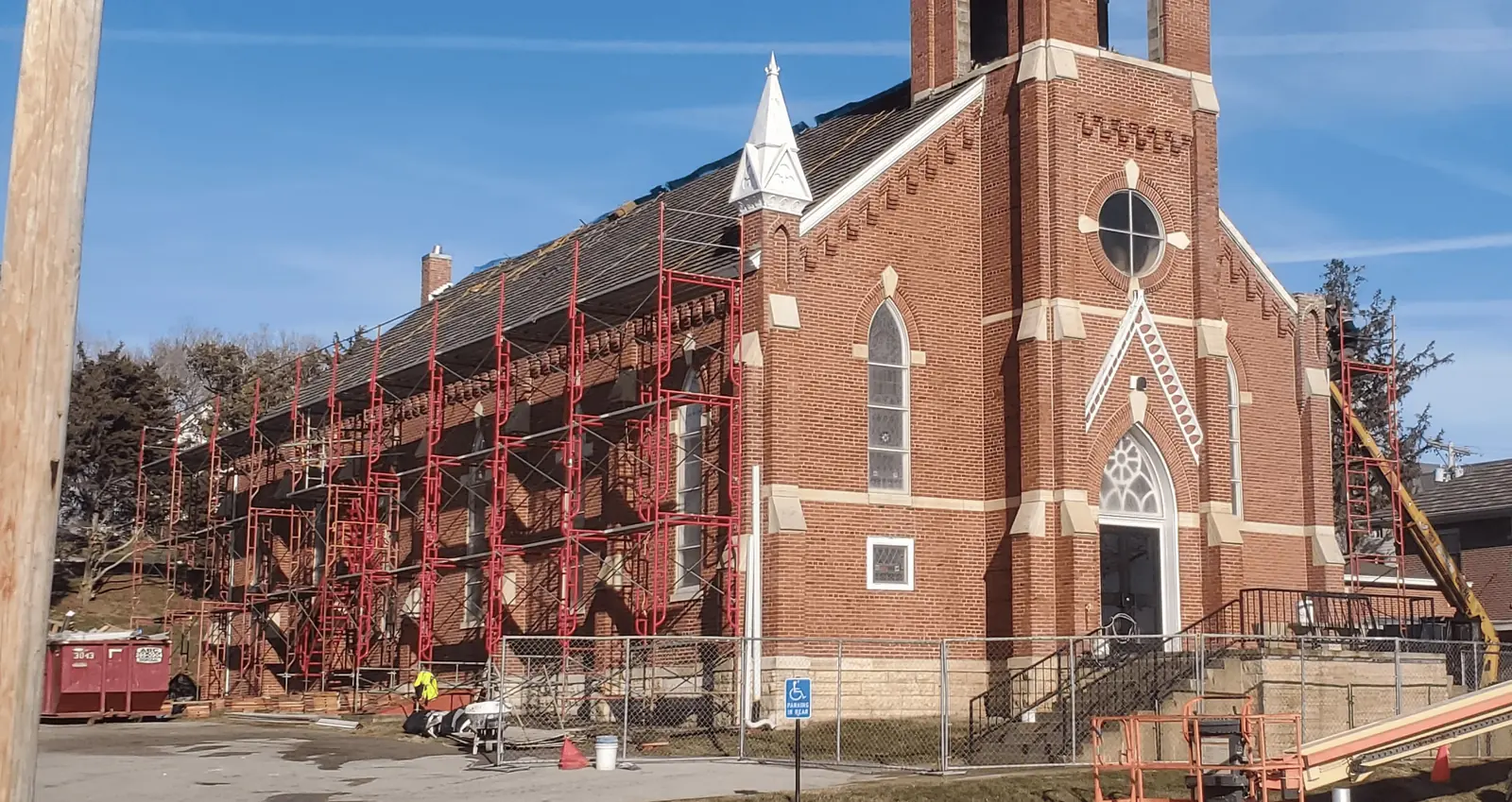
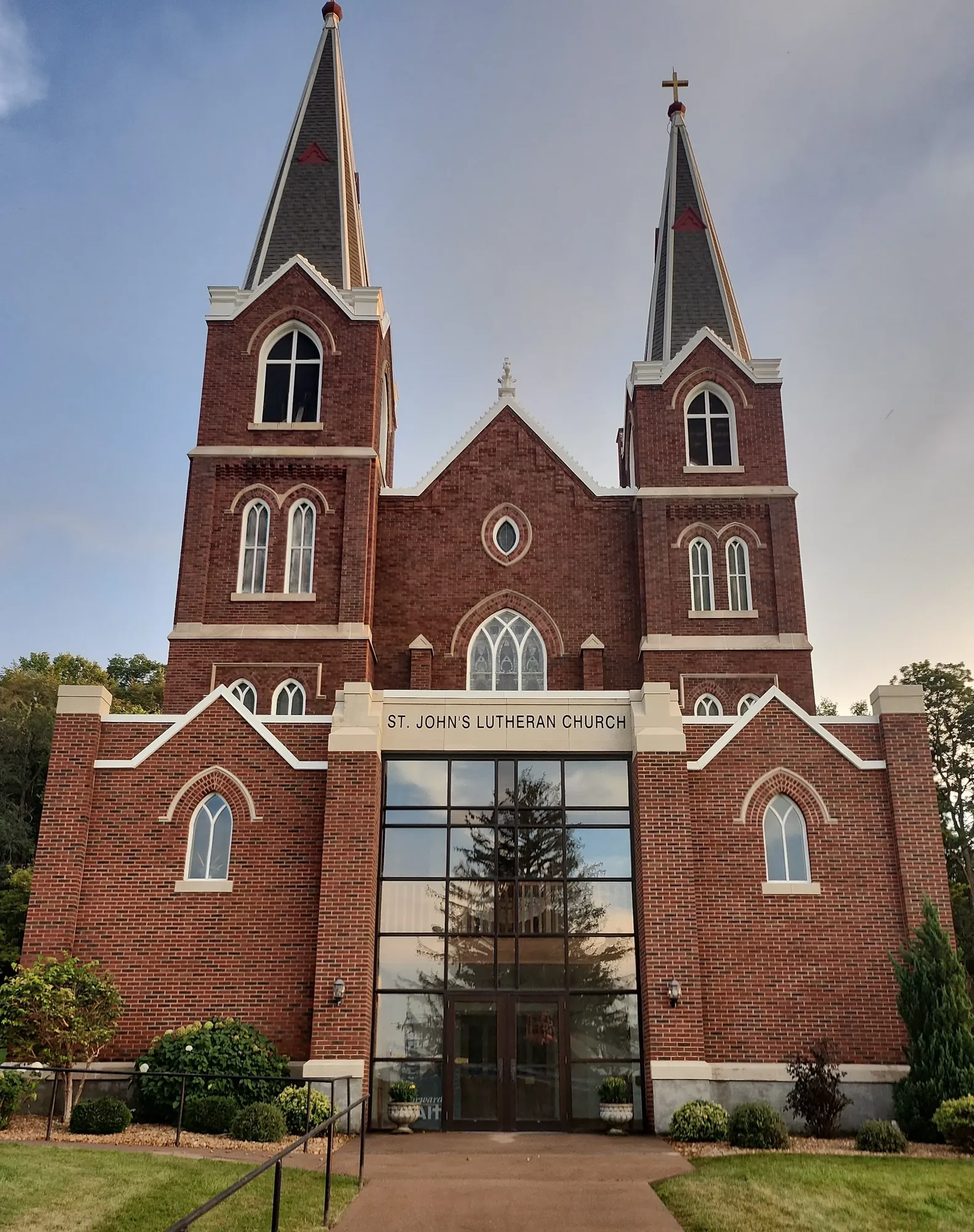
Houses of worship hold deep significance for their congregations and communities. We approach every church, cathedral, and religious facility with the care and respect these buildings deserve, using preservation techniques that honor the original craftsmanship while ensuring the structure serves the community for generations to come.



Download Our Religious Facilities Services Overview
Looking to preserve a Religious building? Download our quick guide to TNT’s restoration services tailored for religious structures. Inside, you’ll find...
Preserving the past. Restoring with precision. Serving since 1993.

5.0 Stars on Google
Rated by the building owners and facility managers we serve.
Read more client reviewsOur Projects Speak for Themselves
Browse our portfolio of completed projects to see the quality, scope, and craftsmanship we bring to every job.
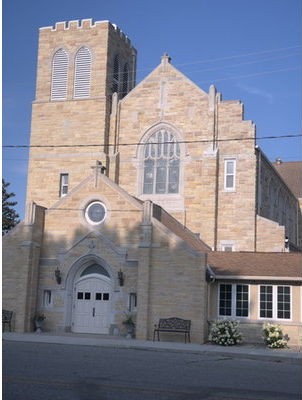
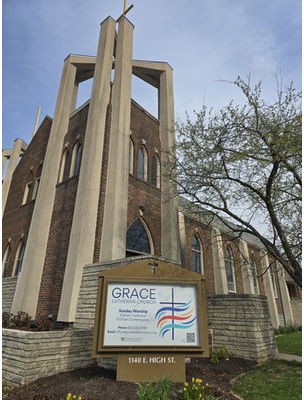
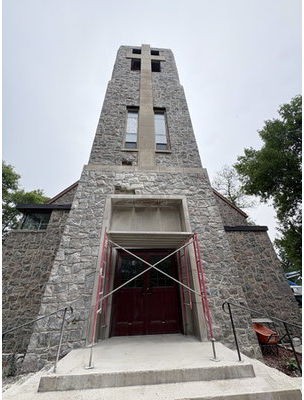

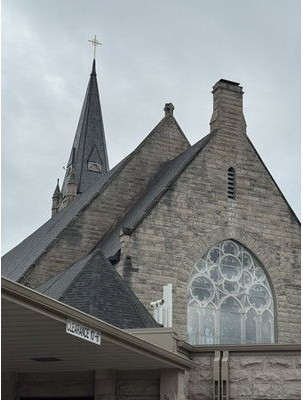
Learn More and See What’s Going On


Contact Us
Our skilled team is here to bring your building to life. Contact us today to discuss your project!
FAQs
Can TNT repair church steeples and bell towers?
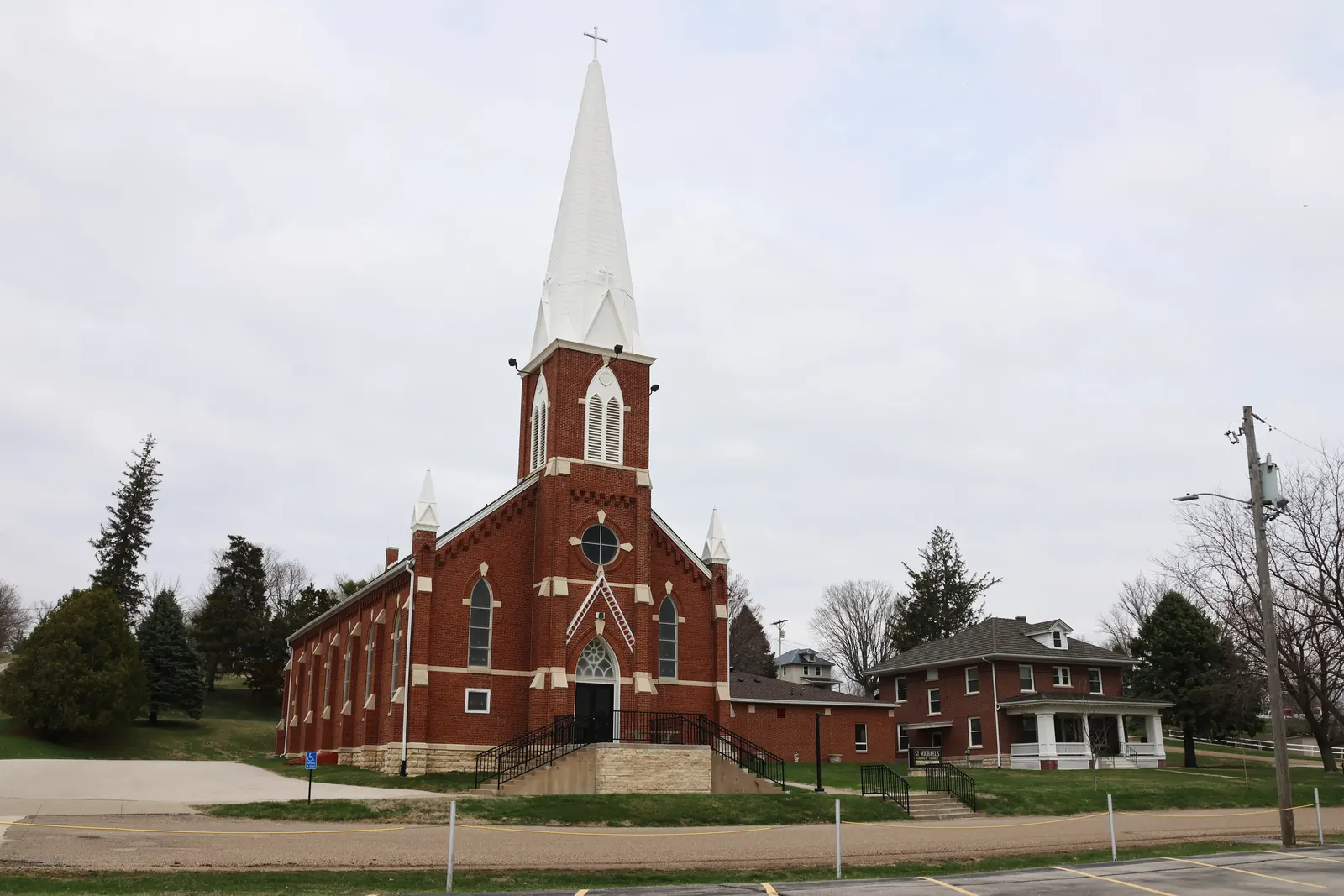
Yes. We rebuilt the collapsed bell tower at St. Michael Catholic Church and maintain the clock tower at the Washington County Courthouse. Our team includes FRACO-certified mast climber installers and scaffolding safety instructors.
What did TNT do at St. Paul Lutheran Church in Clinton?
Our crews cleaned the masonry with hot water, tuckpointed the brick, replaced damaged brick and failed caulking, repainted the steel lintels and patched the concrete entry steps. The church approved the work one elevation at a time, and the field work ran from February to late May 2026.
How do you reach a bell tower or steeple for repairs, and will it disrupt services?
It depends on the building. Most towers are reached with a large boom lift, scaffolding or a mast climber, and trees, landscaping, slopes and what's under the ground all affect which one works. We plan the access, noise and parking around your services and events so the church can stay in use while the work is done.
Why do church bell towers leak so often?
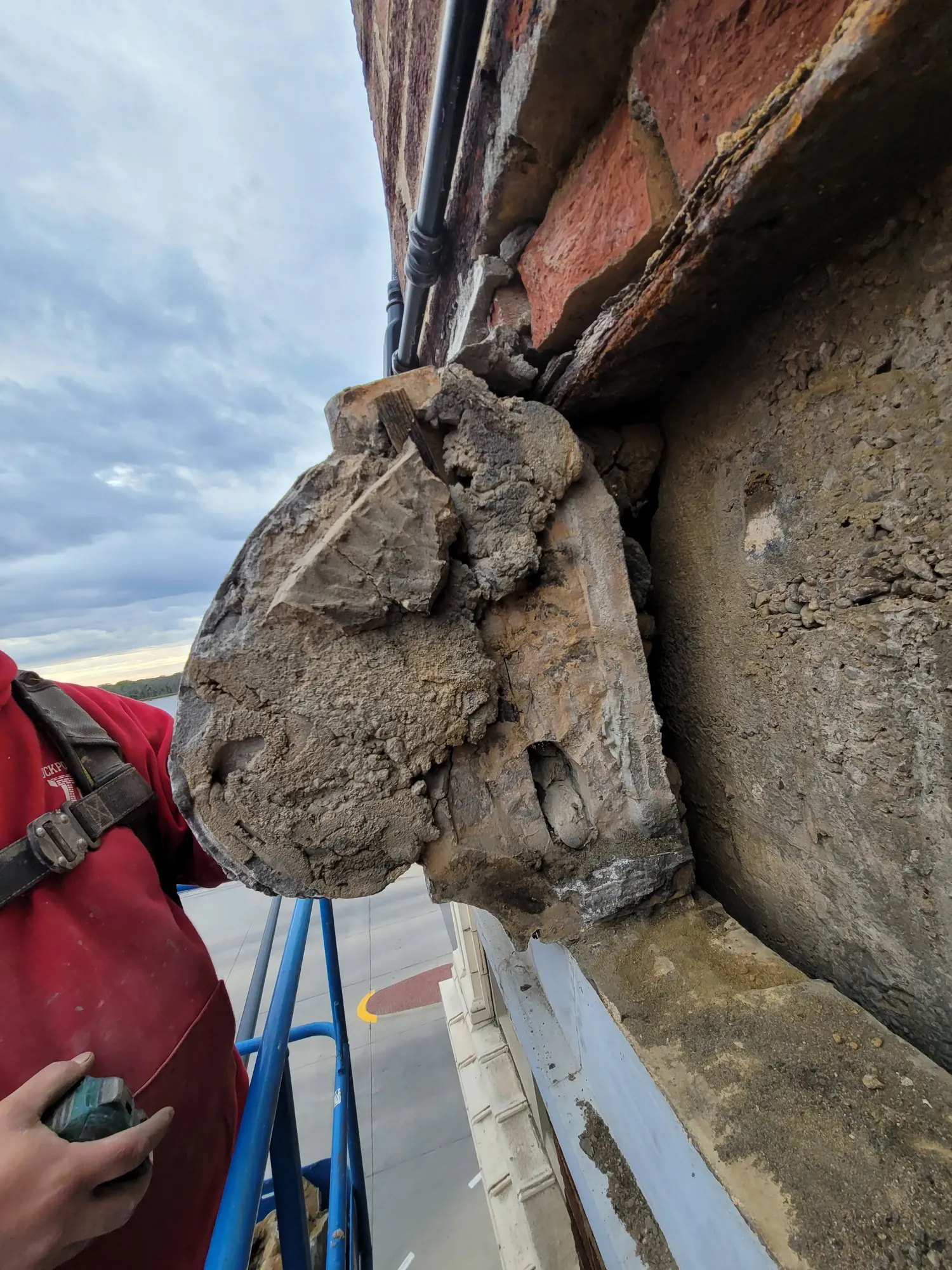
A bell tower is the most exposed masonry on a church. It takes wind-driven rain on every side, its belfry openings and louvers let weather in, and its mortar joints and caps wear out faster than the rest of the building. Water that gets into the tower often shows up inside on the plaster below it.
How do I know if the water is coming from the bell tower, the roof or the windows?
Look at where the damage is. Damage high on the walls and ceilings near the tower often points to the bell tower or steeple. Stains near the tops of walls often point to copings or roof flashing, and damage around openings usually points to the windows. When it isn't obvious, a close-up inspection, a drone survey or water testing can pin it down.
Who should our church call first, a plasterer or a masonry contractor?
Start with whoever can find the source of the water. In most masonry churches that's on the exterior, often at the bell tower, the high walls or the windows, so the masonry, roof or window repairs come first. The plaster work comes last.
Should damaged lime plaster in a church be replaced with drywall?
Usually not. Lime plaster lets moisture leave the wall, and replacing it with drywall loses original material and character. Once the leak is fixed and the wall has dried, a plasterer with lime experience can repair it to match.
Does TNT have experience with churches, courthouses, and civic buildings?
These are among the most common building types we restore. Churches and government buildings make up a large share of our historic preservation work, with courthouses typically our largest projects by dollar value.