


Why Historic Buildings Spall
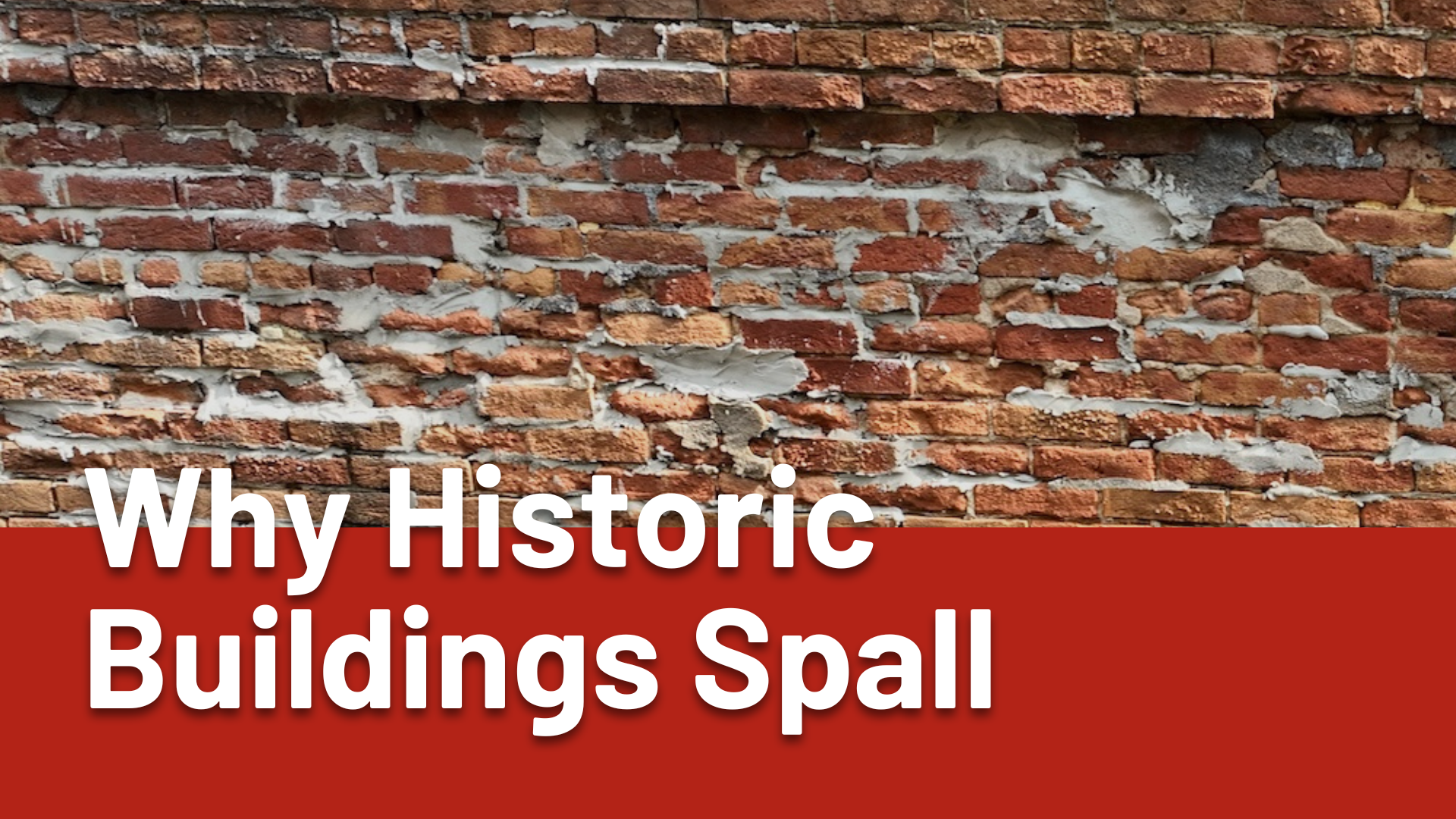
The Quick Answer: Spalling in historic buildings—where the face of the brick flakes or pops off—is usually caused by the use of modern Portland cement during past repairs. Modern mortar is often harder than historic "soft" brick; this traps moisture inside the brick. When that moisture freezes, it expands and forces the face of the brick to break away.
Preserving a piece of history requires a specialized touch. TNT Tuckpointing & Building Restoration has extensive experience in Historic Preservation, and we find that spalling is rarely a fault of the original craftsmanship. Instead, it is almost always caused by:
- Improper Mortar Density: Historic bricks (pre-1930s) were fired at lower temperatures and are naturally softer and more porous. They need to "breathe" through lime-based mortar. If a previous contractor used hard, non-breathable cement, the moisture has nowhere to go but through the brick face, causing it to pop.
- The Freeze-Thaw Cycle: In the Midwest, water trapped inside porous historic masonry expands by approximately 9% when it freezes. This internal pressure is the primary driver of spalling.
- Sandblasting Damage: If a building was sandblasted in the past to "clean" it, the hard outer kiln-fired protective layer of the brick was removed. This leaves the soft, absorbent inner core exposed to the elements.
- Rising Damp: Moisture pulled up from the ground through capillary action can carry salts into the masonry, which crystallize and burst the brick's surface.
Restoring these buildings requires an expert Investigation to ensure the new materials are compatible with the original structure.
Frequently Asked Questions
Do you have examples of historic building restoration?
What's the risk of using the wrong mortar?
Are there grants available for historic masonry restoration in Iowa?
Learn More and See What’s Going On
Contact Us
Our skilled team is here to bring your building to life. Contact us today to discuss your project!