


Tuckpointing vs. Repointing vs. Pointing — What’s the Difference?
The Quick Answer: While these terms are often used interchangeably in the Midwest, they refer to different stages of masonry. Pointing is the initial process of filling joints during new construction. Repointing is the restorative act of removing and replacing deteriorated mortar to prevent water damage. Tuckpointing is a specialized aesthetic technique that uses two mortar colors to create the illusion of perfectly thin, crisp joints.
Deep Dive into the Definitions: Understanding the terminology helps property managers communicate more effectively with contractors. At TNT Tuckpointing & Building Restoration, we believe an informed client is our best partner.
- Pointing: This is the baseline. When a bricklayer first builds a wall, they "point" the joints by filling them with mortar and finishing them with a tool to a specific profile (like concave or grapevine).
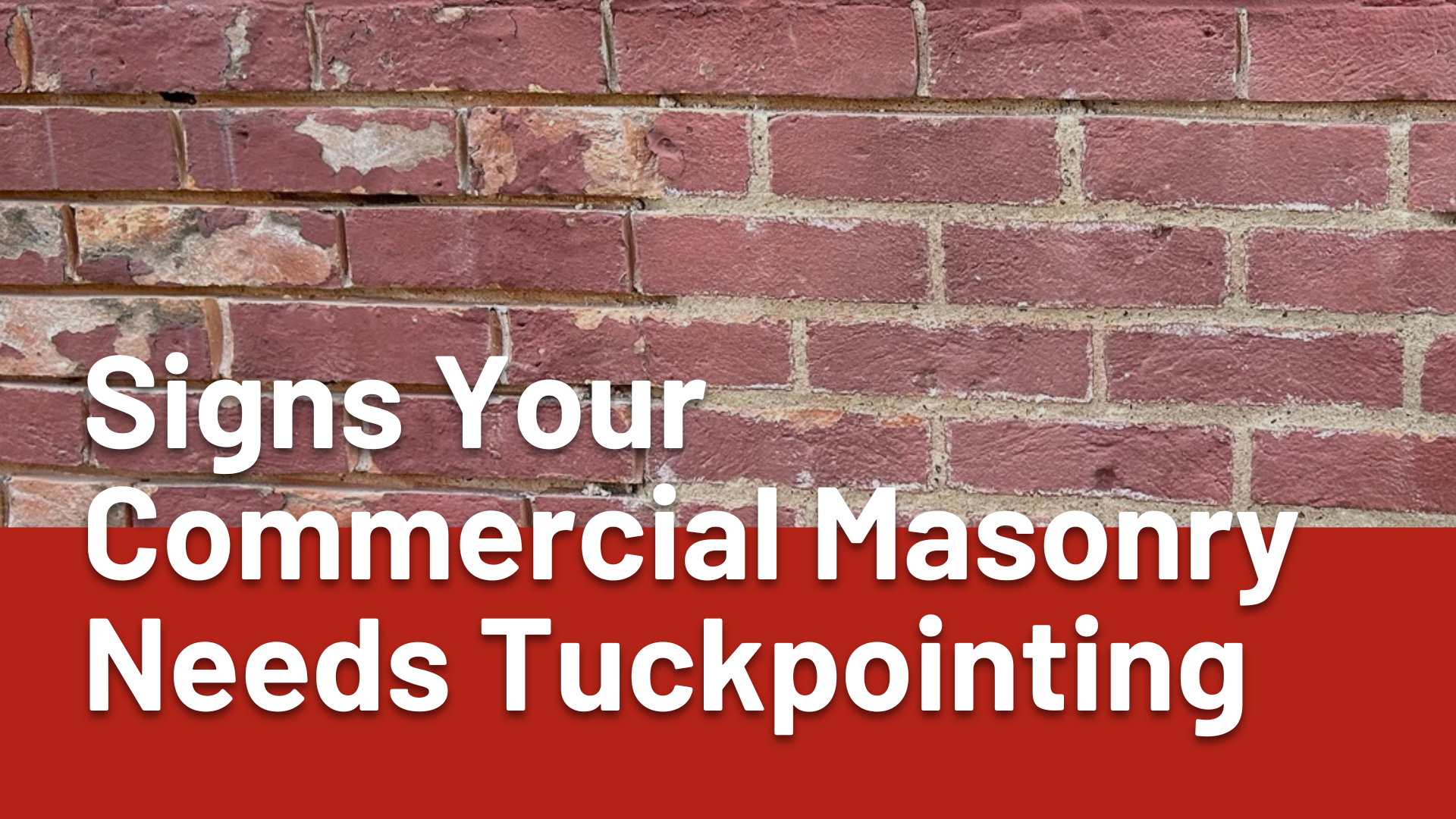
- Repointing: This is the most common service for commercial buildings. Over 20–30 years, mortar joints weather away. Our Masonry & Concrete Restoration team specializes in grinding out failed mortar and packing in new, compatible material. This is a structural necessity to keep the building "envelope" watertight.
- Tuckpointing: Traditionally, this is a decorative finish. We fill the joint with mortar that matches the brick exactly, making the joint "disappear." Then, we apply a very thin line of contrasting "fillet" mortar over the center. This is highly popular in Historic Preservation to give aging brickwork a sharp, high-end architectural appearance.
Frequently Asked Questions
What is the difference between tuckpointing, repointing, and pointing?
What's the risk of using the wrong mortar?
Learn More and See What’s Going On
Contact Us
Our skilled team is here to bring your building to life. Contact us today to discuss your project!