.webp)

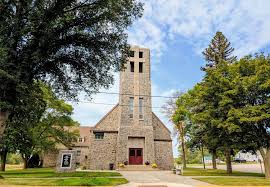
Restore your brickwork with our permanent masonry staining solution. Our natural formula penetrates the brick, enhancing its beauty without altering its texture. This long-lasting, low-maintenance solution resists fading and weathering, ensuring your brickwork stays beautiful for years to come.
Contact Us
Our skilled team is here to bring your building to life. Contact us today to discuss your project!
FAQs
Does TNT do residential masonry restoration?
No. We are a commercial-only masonry restoration contractor. We do not perform residential work. We serve commercial building owners across Iowa, Wisconsin, Minnesota, and Illinois.
Can masonry restoration be done in cold weather?
Our primary season runs from mid-February through the end of November. However, interior masonry work and exterior work using heated enclosures can be performed outside that window when conditions require it.
How long does a typical restoration project take?
Timelines vary based on scope and complexity — targeted repairs may take one to two weeks, while large-scale facade restorations can span several months. Our estimators assess the project on-site and provide a detailed proposal with anticipated duration, and we work with building owners to phase work when needed to accommodate budgets and operations.
Do you have examples of historic building restoration?
Yes. Roughly half of our work is historic preservation, including churches, courthouses, and government buildings that require period-appropriate materials and techniques. The portfolio page features many of these projects with detailed photography.
What are the signs a building needs masonry restoration?
Visible warning signs include crumbling or recessed mortar joints, cracked or spalling bricks, efflorescence (white salt deposits), bowing walls, and water staining on interior surfaces. If any of these are present, a professional assessment should be scheduled promptly.
Is masonry restoration eligible for historic tax credits?
In many cases, yes. Federal and state historic tax credit programs can offset a significant portion of qualified rehabilitation costs on eligible buildings. We provide the project documentation these programs require, though building owners should consult a tax professional for eligibility specifics.
Does TNT clean buildings before starting restoration work?
Yes, when needed. Cleaning prior to restoration allows for a more accurate assessment of the masonry's true condition and ensures that repair materials bond properly to a clean substrate.
Can masonry restoration be done while school is in session?
Yes, when necessary. We coordinate with school administrators to manage noise, dust, and access around class schedules and building operations. However, summer breaks remain the preferred window for the most disruptive work.
Does TNT clean buildings before beginning restoration work?
Yes. Cleaning is often the first step in a masonry restoration project because it reveals the true condition of the masonry beneath decades of soiling, allows accurate assessment of mortar joint conditions, and ensures that new mortar and sealant bond to a clean substrate.
Is paint stripping required before masonry restoration work?
It depends on the scope. Paint must be removed where tuckpointing, Dutchman repairs, or stone patching will occur so the repair materials bond properly to the substrate. Our estimators determine which areas require stripping as part of the overall project scope.
Why is scoping important before starting masonry restoration?
Proper scoping identifies all areas of deterioration, determines the appropriate repair methods, and establishes accurate quantities so the project is priced correctly. Without it, owners risk unexpected costs, incomplete repairs, or addressing symptoms instead of root causes.
Does masonry restoration improve a building's energy efficiency?
It can. Sealing failed mortar joints, replacing deteriorated caulking, and restoring the building envelope reduces air infiltration and moisture intrusion, both of which increase heating and cooling costs. A tight masonry envelope supports overall energy performance.
How does TNT maintain campus aesthetics during restoration work?
Scaffolding, equipment, and material staging are planned to minimize visual impact on the campus. We keep work areas organized, protect landscaping and hardscape, and coordinate with facilities teams on appearances during high-visibility events like commencement.
What is the typical timeline for a historic restoration project?
Timelines depend on the building's size, condition, and the scope of work. Our active field season runs from mid-February through the end of November, and larger historic projects are often phased across multiple seasons to align with budgets and preservation review timelines.
Are there grants available for historic masonry restoration in Iowa?
Grant and tax credit programs for historic restoration do exist at both the state and federal level, and eligibility varies by property type, location, and historic designation. We have extensive experience with historic projects and can help owners understand what their building may qualify for.
Are there tax credits for masonry restoration on historic buildings?
In many cases, yes. Federal and state historic tax credit programs can offset a significant portion of restoration costs on qualifying buildings. However, the work must meet the Secretary of the Interior's Standards for Rehabilitation — meaning improper repairs by an unqualified contractor can disqualify a project from these programs. If your building is listed on or eligible for a historic register, it is critical to work with a contractor experienced in preservation-grade standards before any work begins. We can also connect you with qualified preservation consultants in our network who specialize in navigating tax credit programs and compliance requirements.
Can masonry restoration be done without disrupting plant operations?
In most cases, yes. We schedule work around production cycles and coordinate with facility managers so operations continue uninterrupted. When shutdowns are necessary for specific areas, we plan that work to align with scheduled maintenance windows.
What's the difference between masonry repair and masonry restoration?
Masonry repair addresses isolated damage such as cracked mortar or a few deteriorated bricks. Masonry restoration is a comprehensive approach that returns an entire facade or structure to its original condition, addressing systemic deterioration and often involving historically accurate materials and methods.
What is the difference between masonry restoration and masonry repair?
Masonry restoration returns a building's masonry to its original condition and appearance, addressing widespread deterioration across a facade. Masonry repair targets specific localized damage such as cracked mortar joints, broken bricks, or a failing lintel.
How does TNT minimize disruption to public buildings during restoration?
We plan access, scaffolding, and work sequencing around building operations, public access points, and event schedules. Pre-construction coordination with facility managers ensures the building remains functional and accessible throughout the project.
Can masonry restoration improve a building's curb appeal and property value?
Yes. Clean, well-maintained masonry is one of the most visible indicators of building condition. Restoring deteriorated facades directly improves curb appeal, supports higher rents, and strengthens the property's market position.
Can masonry restoration be phased across multiple budget cycles or fiscal years?
Yes. We regularly work with government entities to phase large restoration projects across multiple fiscal years, prioritizing the most critical repairs first and planning subsequent phases around approved budgets and funding availability.
Can masonry restoration be done without closing a business or disrupting tenants?
Yes. We routinely restore occupied commercial buildings while businesses stay open. We coordinate access, manage scaffolding placement, and schedule high-impact tasks around tenant operations so disruption stays minimal.
What grants are available for historic masonry restoration in Iowa and the Midwest?
Iowa, Wisconsin, Minnesota, and Illinois each offer state-level historic preservation tax credits, and many communities have local grant programs for historic buildings. Federal historic tax credits are also available for income-producing properties. We can help you understand what documentation your project will need.